
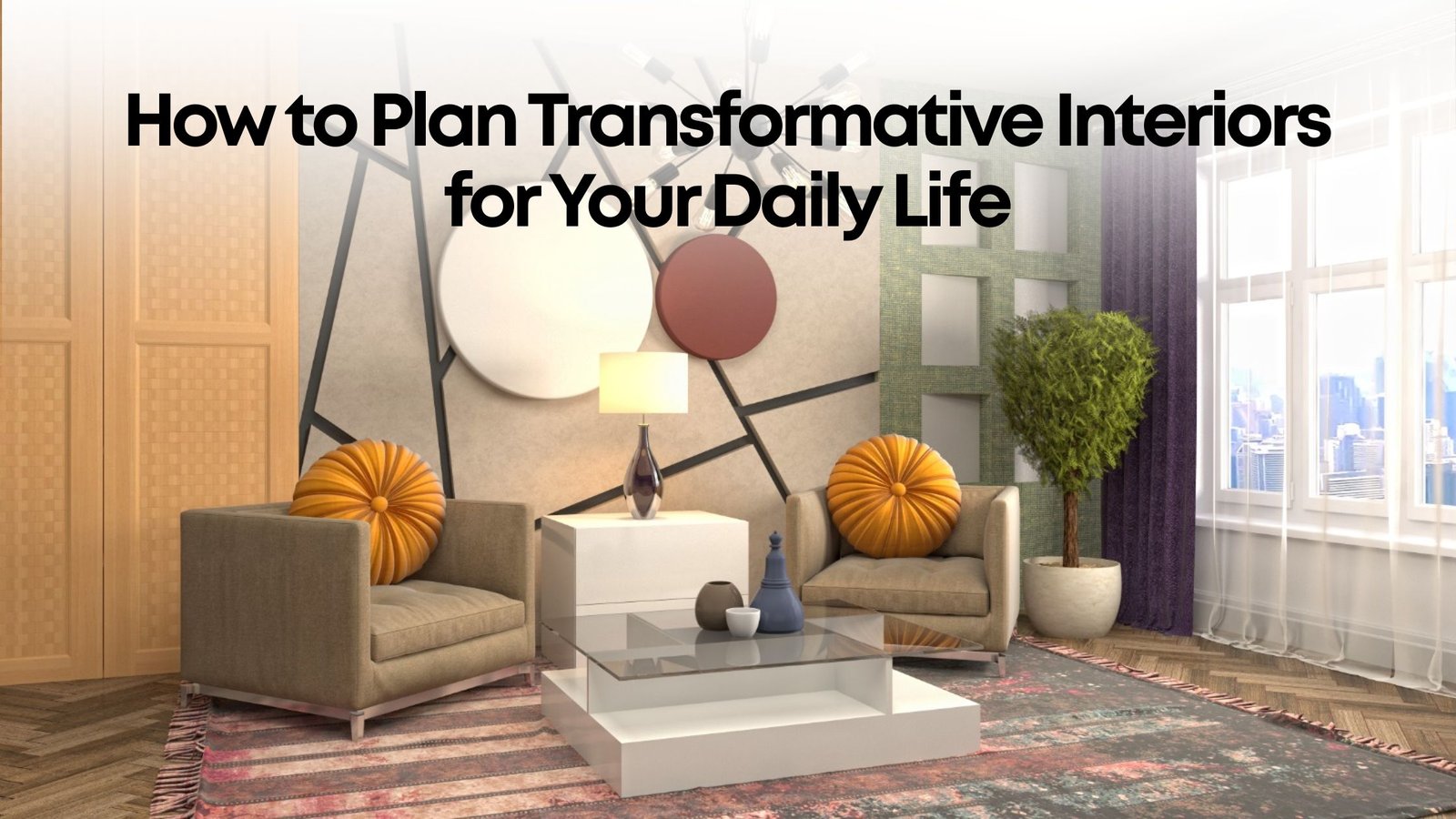
A beautiful home catches your attention with the transformative interiors the moment you walk in. A functional home makes everyday life easier. The best interiors do both.
Many homeowners believe they have to choose between a stylish home and a practical one. They spend heavily on premium furniture and décor, only to realize later that the space feels cluttered or difficult to use. Others focus only on practicality and end up with rooms that work well but lack warmth and personality.
The truth is, great interior design is about finding the right balance. A well-designed home should look elegant while supporting your daily routines without effort.
At LH Interiors, we’ve spent more than 15 years designing homes across Hyderabad, and one lesson has remained constant—when style and function are planned together from the beginning, the result is a home that feels just as good as it looks.
Style and Function Should Always Work Together with Transformative Interiors
The biggest misconception in interior design is treating aesthetics and usability as separate goals.
Take a modern wardrobe, for example. Sleek doors create a clean and sophisticated look, while the storage inside keeps clothes organized and out of sight. It looks beautiful because it functions well.
The same idea applies throughout the home. A thoughtfully designed kitchen feels spacious because everything has its place. A living room feels inviting because the furniture layout encourages conversation and movement. Even a simple TV unit can become a design feature while hiding cables, electronics, and everyday clutter.
Instead of asking, “Will this look good?” ask yourself another question:
“Will this make everyday life easier?”
The best design choices answer yes to both.
Start With Smart Storage
Storage is often the difference between a home that always feels organized and one that constantly feels messy.
No matter how expensive your furniture or décor may be, visible clutter quickly takes away from the overall appearance.
Rather than adding extra shelves later, plan storage as part of the design itself.
Some practical storage ideas include:
- Floor-to-ceiling wardrobes that maximize vertical space.
- Kitchen cabinets extending to the ceiling.
- Hidden drawers beneath beds.
- Window seating with built-in storage.
- TV units with concealed compartments.
- Entryway benches for shoes and daily essentials.
When storage blends into the architecture of the room, everything looks cleaner without sacrificing functionality.
This is why custom interiors are becoming increasingly popular across Hyderabad. Every cabinet, shelf, and wardrobe is designed specifically for the family’s lifestyle instead of relying on standard furniture sizes.
Choose Furniture That Does More Than One Job
Apartments and modern homes rarely have space for unnecessary furniture.
Every piece should contribute to both the appearance of the room and its everyday usability.
Instead of filling a room with multiple small pieces, choose furniture that serves more than one purpose.
Good examples include: Transformative Interiors
- Coffee tables with hidden storage.
- Dining benches that slide neatly under the table.
- Sofa beds for guest rooms.
- Ottomans with storage compartments.
- Side tables with shelves for books and accessories.
Multi-functional furniture reduces clutter while making the room feel more open.
Before purchasing anything, ask yourself:
- Does it improve the room visually?
- Does it solve a practical problem?
If the answer is yes to both, it’s likely a smart investment.
Plan Lighting Around Daily Life
Lighting is one of the most overlooked parts of interior design, yet it has one of the biggest impacts on both appearance and comfort.
Many homes rely on a single ceiling light in each room. While it provides brightness, it rarely creates the atmosphere people want.
Instead, think of lighting in three layers.
Ambient Lighting
This is the general lighting that fills the room. Warm white lighting creates a welcoming atmosphere and works well in most living spaces.
Task Lighting
Focused lighting makes daily activities easier.
Examples include Transformative Interiors:
- Pendant lights over kitchen counters.
- Reading lamps beside the bed.
- Mirror lighting in bathrooms.
- Desk lighting in study areas.
Accent Lighting
Accent lighting highlights architectural features and decorative elements.
LED strips behind TV panels, illuminated display shelves, and wall washers can completely change the mood of a room without overwhelming the space.
When these three layers work together, every room feels comfortable throughout the day while looking visually balanced.
Select Materials That Age Gracefully
Beautiful interiors should remain beautiful years after they’re completed.
This is why choosing the right materials matters just as much as selecting the right colors.
For busy family homes, durability should always be considered alongside appearance.
Some reliable choices include Transformative Interiors:
- Engineered wood flooring for warmth and durability.
- Quartz or natural stone countertops for kitchens.
- Matte laminates that resist fingerprints.
- High-quality hardware that withstands daily use.
- Moisture-resistant finishes for bathrooms.
Glossy finishes often look impressive initially but require frequent cleaning. Matte surfaces usually hide fingerprints and scratches better while maintaining a timeless appearance.
Good materials don’t simply make a home look premium—they reduce maintenance and continue looking good with everyday use.
Create a Comfortable Color Palette
Color influences both the appearance of a room and the way people feel inside it.
Homes that use calm, neutral colors often feel brighter, larger, and more relaxing.
Popular choices include Transformative Interiors:
- Warm white
- Cream
- Soft beige
- Sand tones
- Light greige
These colors create a versatile backdrop that allows furniture and accessories to stand out naturally.
If you enjoy stronger colors, introduce them through feature walls, artwork, cushions, rugs, or decorative pieces instead of covering every wall.
Earthy greens, terracotta, navy blue, and muted charcoal continue to work beautifully in Hyderabad homes because they complement natural wood, stone, and warm lighting.
Design Around Your Lifestyle
No two families use their homes in exactly the same way.
Some spend evenings entertaining guests. Others prefer quiet movie nights. Some work from home, while others need dedicated study areas for children.
A successful interior design begins by understanding these routines.
Ask yourself questions like Transformative Interiors:
- Where do people naturally gather?
- Do you need extra dining space for guests?
- Is storage becoming a daily problem?
- Which rooms receive the most use?
- Where does clutter usually collect?
The answers will guide decisions about layouts, furniture placement, storage, and lighting far better than following design trends alone.
This is why experienced designers spend time understanding how homeowners actually live before preparing layouts.
Balance Open Space With Practical Furniture Placement
Many newer apartments in Hyderabad feature open-plan layouts that combine the living room, dining area, and kitchen.
These layouts feel spacious but can quickly become disorganized if every area blends together.
The solution isn’t adding walls—it’s creating visual zones.
A rug defines the seating area.
A pendant light naturally marks the dining space.
Furniture placement helps separate one activity from another without interrupting the openness of the room.
Leaving enough walking space between furniture is equally important. A beautifully furnished room should never feel difficult to move through.
Sometimes removing one unnecessary chair creates a better result than adding another decorative piece.
Think Long-Term Instead of Following Trends
Interior trends change every few years.
Good design lasts much longer.
Rather than designing your home around what’s currently popular, invest in choices that will continue to feel relevant over time.
Neutral foundations paired with timeless materials allow you to refresh your interiors later using accessories, artwork, textiles, and lighting instead of expensive renovations.
This approach keeps your home looking current without constantly replacing furniture or finishes.
Build Style and Function Into Every Decision
Balancing style and function isn’t about making compromises. It’s about making smarter design decisions from the very beginning.
When storage is thoughtfully planned, rooms stay organized. When furniture fits the space, movement becomes effortless. When lighting is layered correctly, every room feels inviting. When durable materials are selected, your home continues to look beautiful for years.
At LH Interiors, this philosophy guides every project we undertake. We believe exceptional interiors should enhance everyday living while reflecting your personal style. Every layout, finish, and furniture choice is planned with both beauty and practicality in mind.
If you’re designing a new home or renovating your current one, start by thinking about how you live—not just how you want your home to look.
Because a truly successful interior isn’t one that impresses visitors for a few minutes. It’s one that makes life easier, more comfortable, and more enjoyable every single day.
Get in touch with LH Interiors today and discover how thoughtful design can bring the perfect balance of Style and Function into your home.