
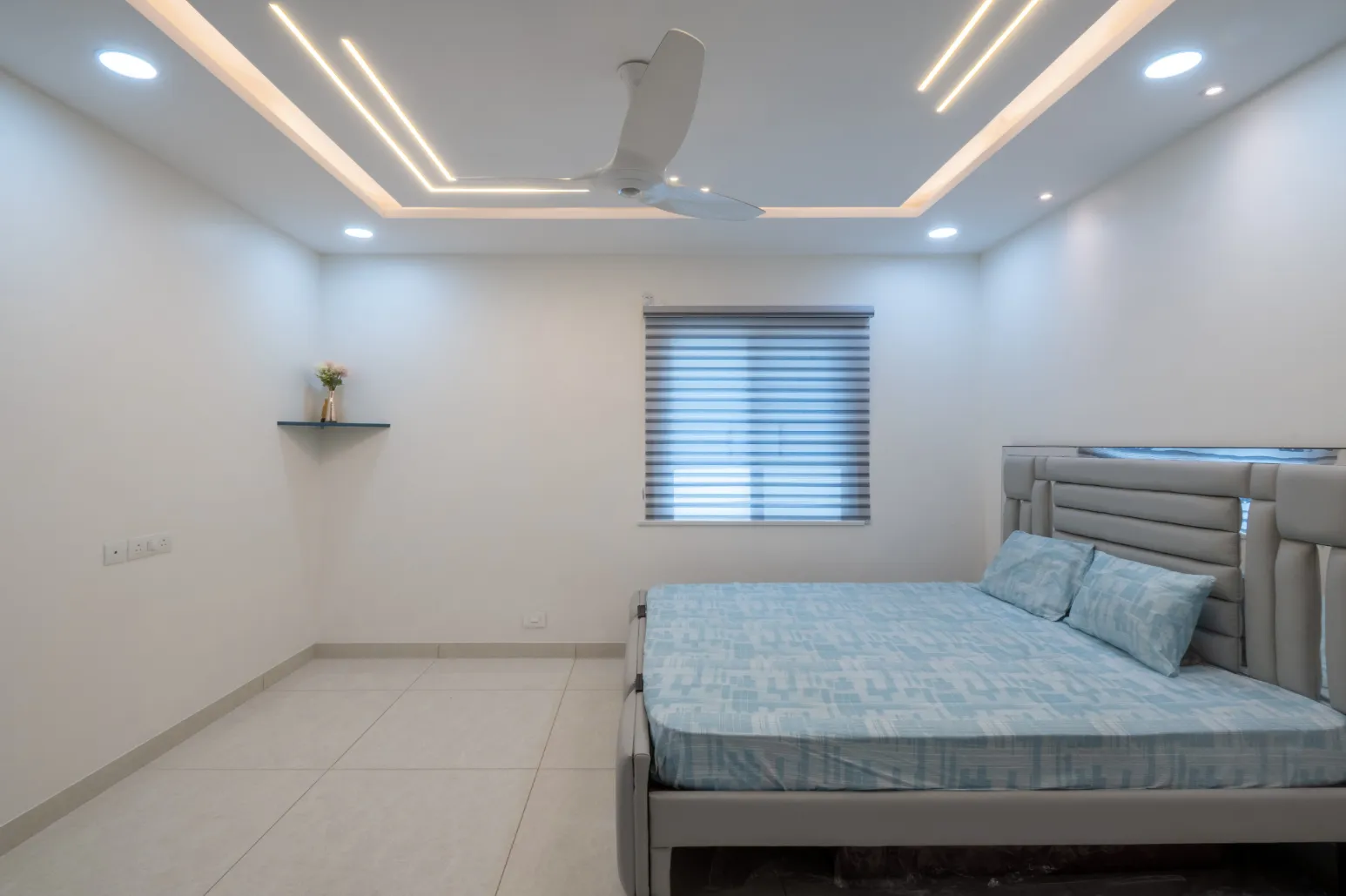
A well-designed home interior doesn’t have to be filled with expensive furniture or countless decorative pieces. In fact, the beauty of minimalist design lies in simplicity, functionality, and thoughtful planning. The philosophy of “less is more” encourages homeowners to create spaces that are clutter-free, elegant, and practical while maintaining a warm and welcoming atmosphere.
Whether you’re moving into a new home or renovating your current one, adopting a minimalist approach can make your living spaces feel larger, brighter, and more peaceful. Here’s your complete guide to creating the perfect minimalist home interior.
What is Minimalist Home Interior Design?
Minimalist interior design focuses on clean lines, open spaces, neutral colors, and functional furniture. Instead of filling rooms with unnecessary decorations, every item serves a purpose while contributing to the overall aesthetic.
The goal is to eliminate clutter, maximize natural light, and create an environment that promotes relaxation and comfort.
Benefits of a Minimalist Home Interior
Choosing a minimalist home interior offers several advantages:
- Creates a clean and organized living space.
- Makes small rooms appear larger.
- Reduces stress caused by clutter.
- Improves natural lighting.
- Simplifies cleaning and maintenance.
- Encourages mindful purchasing.
- Creates a timeless and elegant appearance.
- Increases the functionality of every room.
Start with Decluttering
The first step toward a minimalist home is removing unnecessary items.
Go through each room and ask yourself:
- Do I use this regularly?
- Does it add value to my home?
- Does it serve a purpose?
- Does it bring me joy?
Donate, recycle, or store items that no longer fit your lifestyle. A clutter-free home instantly feels more spacious and calming.
Choose a Neutral Color Palette
Neutral colors are the foundation of minimalist interiors.
Popular choices include:
- White
- Cream
- Beige
- Light Grey
- Soft Taupe
- Warm Earth Tones
These colors reflect natural light, making rooms feel brighter while creating a calm and sophisticated atmosphere.
You can introduce subtle accent colors through cushions, artwork, or indoor plants without overwhelming the space.
Create a Minimalist Living Room
The living room is often the centerpiece of your home.
To achieve a minimalist look:
- Choose a comfortable sofa in neutral tones.
- Add a simple wooden or glass coffee table.
- Use one large piece of artwork instead of multiple small decorations.
- Keep open floor space wherever possible.
- Include a floor lamp for soft ambient lighting.
- Add a few indoor plants for freshness.
Avoid overcrowding the room with unnecessary furniture.
Design a Functional Dining Area
Minimalist dining spaces emphasize simplicity and comfort.
Choose:
- A clean-lined dining table.
- Comfortable chairs with simple designs.
- Neutral table linens.
- Elegant pendant lighting.
- Minimal centerpieces like fresh flowers or candles.
The dining area should feel open, inviting, and easy to maintain.
Organize Your Kitchen Efficiently
The kitchen is one of the busiest areas of every home, making organization essential.
Consider these ideas:
- Install modular cabinets.
- Use labeled glass jars for pantry items.
- Store appliances inside cabinets when not in use.
- Install floating shelves for frequently used items.
- Keep countertops free from unnecessary clutter.
- Choose integrated storage solutions.
An organized kitchen not only looks beautiful but also improves efficiency during meal preparation.
Choose Functional Furniture
Minimalist furniture should combine style with practicality.
Look for pieces such as:
- Storage beds
- Foldable dining tables
- Modular sofas
- Ottoman storage benches
- Floating TV units
- Wall-mounted desks
Multifunctional furniture helps maximize available space without compromising aesthetics.
Maximize Natural Light
Natural light plays an important role in minimalist interior design.
Increase daylight by:
- Using sheer curtains.
- Installing large windows where possible.
- Choosing light-colored walls.
- Adding mirrors to reflect sunlight.
- Keeping window areas uncluttered.
Bright interiors feel more spacious and welcoming.
Add Texture Instead of Excess Decoration
Minimalist homes don’t have to feel plain or boring.
Create visual interest using different textures like:
- Wooden furniture
- Linen curtains
- Cotton cushions
- Wool rugs
- Stone finishes
- Glass accessories
- Woven baskets
Layering textures creates warmth while maintaining simplicity.
Design a Relaxing Bedroom
A minimalist bedroom should promote rest and relaxation.
Choose:
- Neutral bedding
- Simple bedside tables
- Soft lighting
- Built-in wardrobes
- Floating shelves
- One statement artwork above the bed
Avoid excessive decorative items and keep surfaces clean for a peaceful atmosphere.
Incorporate Smart Storage
Hidden storage keeps minimalist homes organized.
Popular storage solutions include:
- Under-bed drawers
- Built-in wardrobes
- Vertical shelving
- Wall-mounted cabinets
- Storage benches
- Kitchen pull-out organizers
Good storage prevents clutter from accumulating over time.
Decorate with Purpose
Every decorative item should contribute to the overall design.
Choose accessories such as:
- Indoor plants
- Large mirrors
- Ceramic vases
- Abstract artwork
- Simple table lamps
- Minimal sculptures
Quality always has a greater impact than quantity.
Bring Nature Indoors
Natural elements soften minimalist interiors.
Include:
- Snake Plants
- Peace Lilies
- Money Plants
- Rubber Plants
- Wooden furniture
- Natural stone finishes
- Bamboo accessories
Greenery adds warmth while improving indoor air quality.
Maintain Open Spaces
One of the defining characteristics of minimalist homes is open space.
Avoid filling every corner with furniture. Empty spaces allow each design element to stand out while creating a more relaxing environment.
Remember that negative space is an important part of minimalist design.
Focus on Quality Over Quantity
Instead of buying many inexpensive decorative items, invest in a few high-quality pieces.
Choose durable materials such as:
- Solid wood
- Engineered wood
- Quartz
- Natural stone
- Premium fabrics
- High-quality lighting fixtures
Well-made furniture and finishes remain stylish for many years.
Personalize Your Home Thoughtfully
Minimalism doesn’t mean your home should lack personality.
Display meaningful items such as:
- Family photographs
- Travel souvenirs
- Handmade artwork
- Favorite books
- Personal collections
Keep these displays simple and well-organized to maintain the minimalist aesthetic.
Common Mistakes to Avoid
Many homeowners misunderstand minimalism.
Avoid these common mistakes:
- Choosing furniture that’s too small.
- Using only plain white without texture.
- Removing all decorative elements.
- Ignoring storage requirements.
- Buying trendy items without purpose.
- Overcrowding open shelves.
- Forgetting comfort in pursuit of simplicity.
Minimalism should always feel warm and livable rather than empty.
Work with Professional Interior Designers
Creating a balanced minimalist home interior requires careful planning and attention to detail. Professional interior designers can help you:
- Optimize room layouts.
- Maximize storage.
- Select suitable materials.
- Choose the right color palette.
- Design custom furniture.
- Create cohesive interiors that match your lifestyle.
Their expertise ensures your home remains both beautiful and functional.
Conclusion
Creating your dream minimalist home interior is about embracing simplicity, functionality, and timeless design. By decluttering your spaces, choosing neutral colors, investing in quality furniture, maximizing natural light, and selecting purposeful décor, you can create a home that feels calm, elegant, and inviting.
Minimalist interiors aren’t about having less—they’re about making room for what truly matters. With thoughtful planning and smart design choices, your home can become a peaceful sanctuary that perfectly reflects your lifestyle while offering comfort, beauty, and practicality for years to come.