
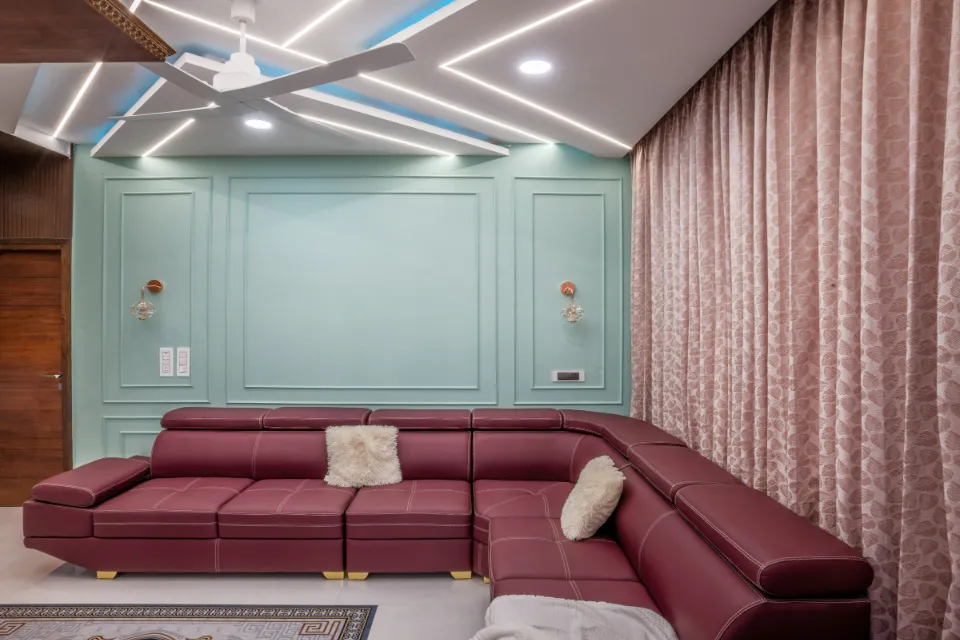
Introduction
Decorating your home is more than selecting beautiful furniture or trendy colors. A well-planned home should feel comfortable, reflect your personality, and support your everyday lifestyle. Whether you’re refreshing a single room or redesigning your entire house, working with experienced interior designers or following proven design principles can help you achieve a space that is both functional and visually appealing.
If you’re planning to upgrade your home, these practical decorating tips will help you create interiors that remain stylish and welcoming for years.
Start with a Clear Plan
Every successful interior project begins with proper planning.
Before purchasing furniture or choosing paint colors, think about how each room will be used. Consider your family’s lifestyle, storage needs, available space, and preferred design style. Having a clear plan helps you avoid unnecessary purchases and ensures every design decision works together.
Professional interior designers always begin by understanding the purpose of each space before creating a design concept.
Choose Furniture Before Decorating
Furniture forms the foundation of every room.
Select pieces that are comfortable, functional, and appropriately sized for the available space. Oversized furniture can make rooms feel crowded, while furniture that is too small may leave the room feeling incomplete.
Once the major furniture pieces are in place, it’s much easier to choose rugs, curtains, lighting, and decorative accessories that complement the overall design.
Use Colors Thoughtfully
Color has a significant impact on the mood of your home.
Neutral shades such as white, beige, cream, and light gray create bright and spacious interiors, while warmer colors add comfort and personality. Rather than using too many bold colors, choose a balanced palette that flows naturally from one room to another.
A consistent color scheme creates harmony throughout your home.
Pay Attention to Lighting
Lighting is one of the most overlooked aspects of interior design.
Make the most of natural light during the day, then layer your lighting with ceiling fixtures, wall lights, floor lamps, and table lamps for the evening. Different lighting sources create depth while improving both functionality and atmosphere.
Well-planned lighting makes every room feel more inviting.
Add Rugs for Warmth and Definition
Rugs do much more than cover the floor.
They define seating areas, add texture, reduce noise, and make rooms feel warmer and more comfortable. Choose a rug that complements your furniture while being large enough to anchor the entire seating arrangement.
Quality rugs add character without overwhelming the space.
Decorate with Purpose
Decorative accessories should enhance your interiors rather than create clutter.
Consider adding:
- Indoor plants
- Artwork
- Decorative mirrors
- Cushions
- Vases
- Sculptures
- Family photographs
Choose items that have meaning or complement your home’s style. A few carefully selected accessories often create a stronger impact than filling every surface with decorations.
Arrange Furniture for Better Flow
The placement of furniture affects both appearance and comfort.
Arrange seating to encourage conversation while leaving enough space for easy movement throughout the room. Avoid blocking windows, doorways, or natural pathways.
Thoughtful furniture placement makes your home feel larger and more functional.
Keep Your Home Organized
An organized home always looks more attractive.
Incorporate practical storage solutions such as built-in cabinets, floating shelves, storage benches, and modular furniture. Regularly removing unnecessary items helps maintain a clean and relaxing environment.
Even the most beautiful interiors lose their appeal when surrounded by clutter.
Work Within Your Budget
Creating beautiful interiors doesn’t always require a large investment.
Set a realistic budget before starting your project and prioritize areas that will have the biggest impact. Invest in quality furniture and durable materials first, then gradually add decorative pieces over time.
Experienced interior designers often recommend balancing timeless investments with affordable décor updates.
Add Your Personal Style
Your home should feel unique to you.
Display books, artwork, travel souvenirs, family photographs, or handcrafted pieces that reflect your personality. Personal touches make your home more welcoming while creating spaces that feel authentic rather than copied from a catalogue.
The best interiors always tell the story of the people who live there.
Don’t Overdecorate
One of the most common decorating mistakes is trying to fill every empty space.
Leave room for your interiors to breathe. Open spaces help highlight your furniture and decorative elements while creating a calm and sophisticated appearance.
Remember, simplicity often creates a more elegant result than excess decoration.
Final Thoughts
Beautiful homes are created through thoughtful planning, balanced design, and attention to detail. Whether you’re decorating on your own or working with professional interior designers, focusing on layout, lighting, color, furniture, organization, and personal style will help you create interiors that are both functional and inviting.
A well-designed home isn’t about following every trend—it’s about creating a space that supports your lifestyle, reflects your personality, and provides comfort every day. With careful planning and purposeful decorating, your home can become a place you’ll enjoy for years to come.