
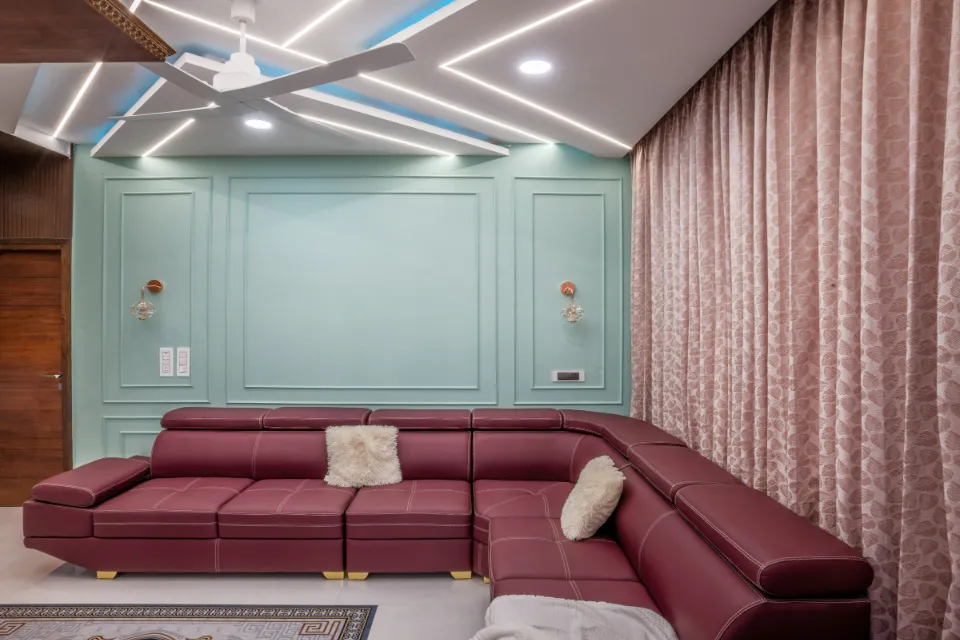
Your home interior is more than just walls, furniture, and décor—it’s a reflection of your personality, lifestyle, and comfort. Whether you’re decorating a new home or renovating your existing one, thoughtful interior design can transform ordinary spaces into beautiful and functional living environments.
Many homeowners feel overwhelmed when choosing colors, furniture, lighting, and décor. However, with proper planning and a clear vision, creating your dream home becomes much easier. This comprehensive guide will walk you through the essential steps to designing a stylish, comfortable, and timeless home interior.
Why Home Interior Design Matters
A well-designed home improves your quality of life. It creates a welcoming atmosphere, enhances functionality, maximizes available space, and even increases your property’s value. Good interior design combines beauty with practicality, ensuring every room serves its purpose while looking elegant.
Whether your style is modern, contemporary, minimalist, Scandinavian, traditional, or luxury, the key is maintaining balance throughout your home.
1. Start with a Clear Plan
Before purchasing furniture or choosing paint colors, spend time planning your space.
Ask yourself:
- What is the purpose of each room?
- Who will use the space?
- What style do you prefer?
- What is your budget?
- Which existing furniture will you keep?
Create a mood board using magazines or online inspiration to visualize your ideas before making any decisions.
2. Understand Basic Interior Design Principles
Professional designers follow several basic principles that make every room look balanced and appealing.
Balance
Distribute furniture, lighting, and decorative elements evenly throughout the room.
Harmony
Use similar colors, materials, and textures to create a cohesive appearance.
Contrast
Mix light and dark colors or combine different materials like wood, metal, and glass to add visual interest.
Proportion
Choose furniture that suits the size of your room. Oversized furniture can overwhelm small spaces, while tiny furniture may look lost in large rooms.
3. Find Your Interior Style
Choosing a consistent design style makes decorating much easier.
Popular styles include:
Modern
Clean lines, neutral colors, and functional furniture.
Contemporary
Current design trends with simple layouts and elegant finishes.
Minimalist
Less clutter, clean spaces, and functional décor.
Scandinavian
Light colors, natural wood, cozy textiles, and simplicity.
Traditional
Classic furniture, rich textures, and timeless elegance.
Industrial
Exposed brick, metal finishes, concrete, and open spaces.
Choose the style that reflects your personality and lifestyle.
4. Create a Beautiful Color Palette
Color has a huge impact on the mood of your home.
Popular choices include:
- White for brightness and openness
- Beige for warmth
- Grey for sophistication
- Earthy tones for natural elegance
- Soft pastels for a calming atmosphere
Use accent colors through cushions, artwork, rugs, and decorative accessories instead of overwhelming the room with bold colors.
5. Select a Focal Point
Every room should have one feature that immediately attracts attention.
Examples include:
- A feature wall
- Statement lighting
- Large artwork
- Fireplace
- Stylish sofa
- Designer TV unit
Arrange furniture around the focal point to create balance and improve the room’s flow.
6. Invest in Quality Furniture
Furniture should be both comfortable and durable.
When selecting furniture:
- Measure your room before buying.
- Choose pieces that match your design style.
- Prioritize comfort.
- Look for multifunctional furniture in smaller homes.
- Maintain proper spacing between furniture pieces.
Quality furniture lasts longer and improves the overall appearance of your home.
7. Use Lighting to Transform Your Space
Lighting plays a major role in interior design.
Combine three types of lighting:
Ambient Lighting
Provides overall room illumination.
Task Lighting
Perfect for reading, cooking, or working.
Accent Lighting
Highlights artwork, shelves, or decorative features.
Maximize natural light by using sheer curtains, mirrors, and light-colored walls.
8. Layer Textures and Materials
A beautiful home interior combines multiple textures to create warmth and depth.
Mix materials such as:
- Wood
- Glass
- Stone
- Metal
- Linen
- Cotton
- Velvet
- Leather
Layering textures makes your interiors feel luxurious without relying on excessive decoration.
9. Add Smart Storage Solutions
A clutter-free home always looks more elegant.
Storage ideas include:
- Built-in wardrobes
- Floating shelves
- Storage beds
- Hidden cabinets
- Modular kitchen storage
- TV units with storage
- Window seating with drawers
Smart storage keeps your home organized while maintaining a clean appearance.
10. Choose the Right Accessories
Accessories complete your interior design.
Popular decorative items include:
- Indoor plants
- Decorative mirrors
- Artwork
- Table lamps
- Rugs
- Cushions
- Candles
- Decorative trays
- Books
Avoid overcrowding surfaces. A few carefully selected accessories create greater impact than too many decorative pieces.
11. Bring Nature Indoors
Indoor plants instantly make a home feel fresh and welcoming.
Some excellent options include:
- Snake Plant
- Peace Lily
- Areca Palm
- Money Plant
- ZZ Plant
- Rubber Plant
Plants improve indoor air quality while adding natural beauty to your interiors.
12. Personalize Your Home
Your home should reflect your personality.
Include meaningful items such as:
- Family photographs
- Travel souvenirs
- Handmade décor
- Artwork
- Books
- Collectibles
Personal touches create a warm and inviting atmosphere that feels uniquely yours.
13. Don’t Forget Functionality
Beautiful interiors should also make daily life easier.
Think about:
- Comfortable seating
- Easy movement between rooms
- Adequate lighting
- Practical storage
- Durable materials
- Child-friendly or pet-friendly furniture when required
The best interiors successfully combine beauty with convenience.
14. Stay Within Your Budget
You don’t need to spend a fortune to create a stunning home.
Save money by:
- Repainting existing furniture
- Shopping during seasonal sales
- Investing in timeless furniture
- Decorating gradually
- Prioritizing high-impact areas first
Smart planning allows you to achieve luxury interiors without overspending.
15. Work with Professional Interior Designers
If you’re planning a complete home makeover, hiring experienced professionals can save both time and money.
Professional interior designers can help you:
- Optimize space planning
- Select suitable materials
- Design custom furniture
- Improve lighting layouts
- Manage budgets effectively
- Create a cohesive design throughout your home
Their expertise ensures your home looks beautiful while remaining functional for years to come.
Common Interior Design Mistakes to Avoid
- Buying furniture before measuring the room.
- Using too many colors in one space.
- Ignoring natural lighting.
- Overdecorating every surface.
- Choosing style over comfort.
- Blocking walkways with oversized furniture.
- Forgetting storage requirements.
- Using poor-quality materials.
Avoiding these mistakes helps create interiors that remain stylish and practical over time.
Conclusion
Designing the perfect home interior doesn’t require complicated rules—it simply requires thoughtful planning, smart choices, and attention to detail. By selecting the right colors, furniture, lighting, textures, and décor, you can create a home that reflects your personality while offering maximum comfort and functionality.
Whether you prefer a modern minimalist home or a luxurious contemporary space, every design decision should contribute to creating a beautiful and functional environment. At LH Interiors, we specialize in designing customized home interiors that blend style, comfort, and practicality to match your unique lifestyle.
If you’re ready to transform your dream home into reality, our expert interior designers are here to help you every step of the way.