
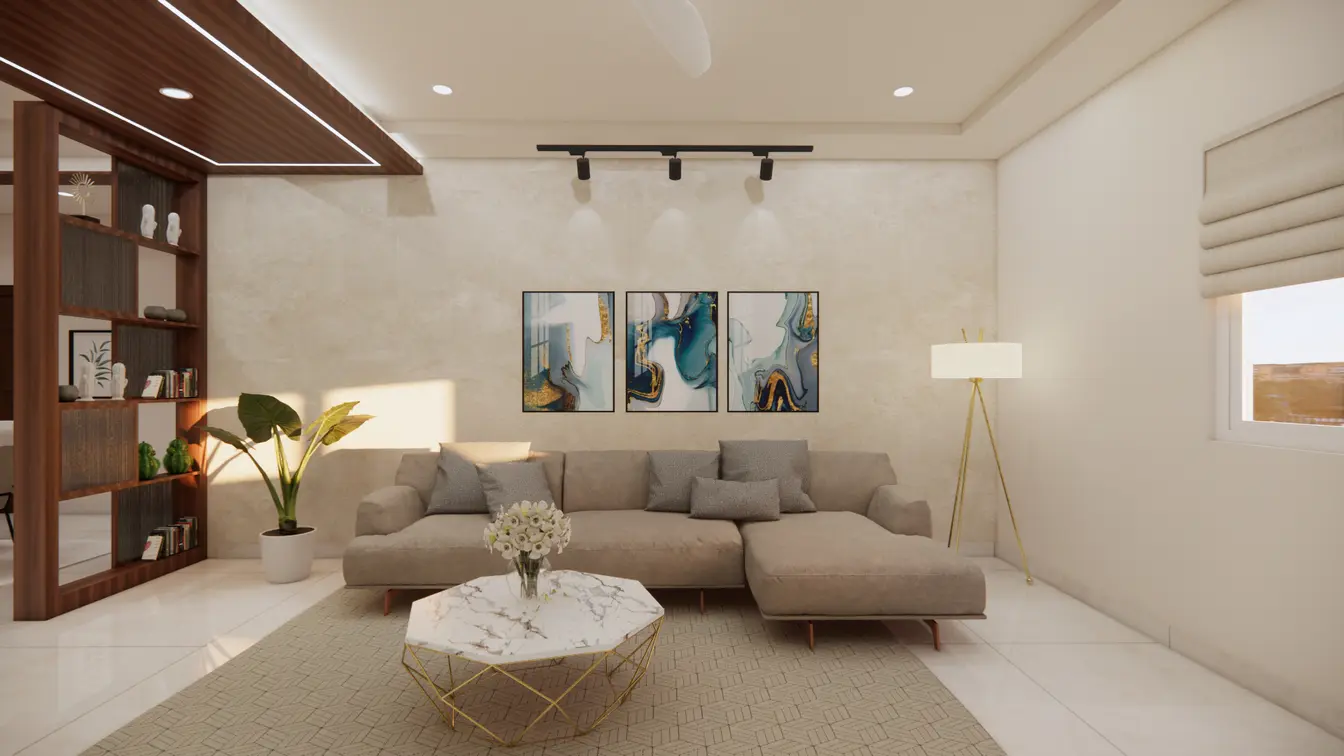
Walk into a beautifully designed home, and one of the first things you notice is how balanced everything feels. The furniture sits naturally in the room, lighting is evenly placed, and every detail seems to belong exactly where it is. That feeling often comes from one timeless design principle—interior design built around symmetry.
Symmetry has been used in architecture and interior design for centuries because it creates a sense of order, comfort, and sophistication. Whether you’re designing a luxury villa, a modern apartment, or a family home, symmetry helps transform ordinary spaces into elegant interiors that feel calm and inviting.
In this guide, we’ll explore how symmetry works, why it matters, and how you can use it to create beautifully balanced living spaces.
What Is Symmetry in Interior Design?
Symmetry is the arrangement of furniture, décor, and architectural elements so that both sides of a space feel visually balanced.
In interior design, symmetry doesn’t always mean everything has to be identical. Instead, it’s about creating equal visual weight that makes a room feel organized and comfortable.
There are several ways designers achieve symmetry:
- Bilateral symmetry – One side mirrors the other.
- Radial symmetry – Elements are arranged around a central point.
- Axial symmetry – Balance is created along a central axis or pathway.
Each approach helps establish harmony while allowing the room to remain functional and welcoming.
Why Symmetry Is Popular in Luxury Interior Design
Luxury homes often feel elegant because every design decision works together.
A symmetrical interior design creates:
- A clean and organized appearance
- Better visual balance
- A sense of calm and relaxation
- Timeless appeal that doesn’t go out of style
- A welcoming atmosphere for family and guests
Rather than making a room feel rigid, thoughtful symmetry adds structure while allowing decorative details to shine.
Use Symmetry in Architectural Features
Architecture provides the perfect foundation for balanced interiors.
Some common examples include:
- Matching windows on either side of a room
- Centered doorways
- Evenly spaced columns
- Identical wall mouldings
- Balanced ceiling details
- Symmetrical staircases
These architectural features naturally guide the eye and establish order before furniture is even added.
In luxury homes, architectural symmetry often becomes the defining feature of the entire interior design.
Arrange Furniture Around a Focal Point
Furniture placement is one of the easiest ways to introduce symmetry into your home.
Start by identifying the room’s focal point, such as:
- A fireplace
- A television wall
- A large window
- A statement artwork
- A feature wall
Once you’ve established the focal point, arrange furniture evenly around it.
For example:
- Two sofas facing each other
- Matching armchairs on both sides
- Identical side tables
- Coordinated floor lamps
This balanced arrangement encourages conversation while making the room feel visually complete.
Create Balance with Decorative Elements
Accessories play an important role in symmetrical interior design.
Some simple ideas include:
- Matching table lamps
- Identical vases
- Paired sculptures
- Framed artwork placed evenly
- Decorative cushions arranged in balanced numbers
- Mirrors positioned on opposite walls
These small details reinforce the overall harmony of the room without overwhelming the design.
Use Symmetrical Lighting for a Refined Look
Lighting has both practical and decorative value.
Balanced lighting creates consistency throughout a room while highlighting important design features.
Popular choices include:
- Pendant lights centered above dining tables
- Matching bedside lamps
- Wall sconces placed evenly
- Twin floor lamps beside seating areas
- Chandeliers positioned in the center of living spaces
A carefully planned lighting layout strengthens the overall interior design while improving functionality.
Add Symmetry Through Patterns and Textures
Balance isn’t limited to furniture placement.
Patterns and materials can also contribute to symmetrical interiors.
Consider using:
- Matching curtains
- Identical rugs in adjoining spaces
- Repeating wall panel designs
- Balanced shelving arrangements
- Coordinated cushions and throws
Repeating similar textures throughout the room creates visual continuity while maintaining warmth and comfort.
The Psychological Benefits of Symmetrical Spaces
People naturally respond to balanced environments.
A symmetrical interior design often creates feelings of:
- Relaxation
- Stability
- Comfort
- Organization
- Visual clarity
When a room feels balanced, it becomes easier to focus, unwind, and enjoy spending time there.
That’s one reason hotels, luxury residences, and premium hospitality spaces frequently rely on symmetry in their interiors.
Symmetry Works in Modern Homes Too
Many people associate symmetry with traditional homes, but it works equally well in contemporary interiors.
Modern interior design often combines symmetry with:
- Clean lines
- Neutral color palettes
- Minimalist furniture
- Hidden storage
- Large open spaces
- Simple geometric shapes
The result is a home that feels sophisticated without appearing overly formal.
Common Mistakes to Avoid
While symmetry is powerful, overusing it can make a room feel predictable.
Avoid these common mistakes:
- Making every object identical
- Ignoring functionality for perfect balance
- Using oversized matching furniture
- Filling every surface with paired accessories
- Forgetting to leave open space
The best interiors balance symmetry with personality, allowing each room to feel comfortable rather than staged.
Simple Ways to Add Symmetry to Your Home
If you’re updating your interiors, start with small improvements:
- Place matching lamps beside the bed.
- Center artwork above furniture.
- Use identical chairs around a dining table.
- Arrange cushions evenly.
- Add matching plants on either side of an entrance.
- Position mirrors to balance large walls.
These simple changes instantly improve the overall appearance of your interior design.
Why Professional Interior Designers Use Symmetry
Experienced designers understand that symmetry is about more than visual appeal.
It influences:
- Furniture layout
- Traffic flow
- Lighting placement
- Architectural emphasis
- Room proportions
- Overall comfort
Rather than copying identical layouts, professional designers adjust symmetry to suit each home’s architecture and the family’s lifestyle.
This creates interiors that are both beautiful and practical.
Final Thoughts
Symmetry remains one of the most effective principles in interior design because it creates balance, elegance, and lasting visual appeal. From architectural details and furniture layouts to lighting and decorative accessories, every symmetrical element contributes to a home that feels calm, organized, and welcoming.
The best interiors don’t simply look luxurious—they feel comfortable to live in every day. Thoughtful symmetry helps achieve that balance by bringing structure without sacrificing warmth or personality.
At LH Interiors, we believe exceptional interior design begins with understanding how people experience a space. By combining timeless design principles like symmetry with modern functionality, we create homes that are elegant, practical, and built to be enjoyed for years to come.