
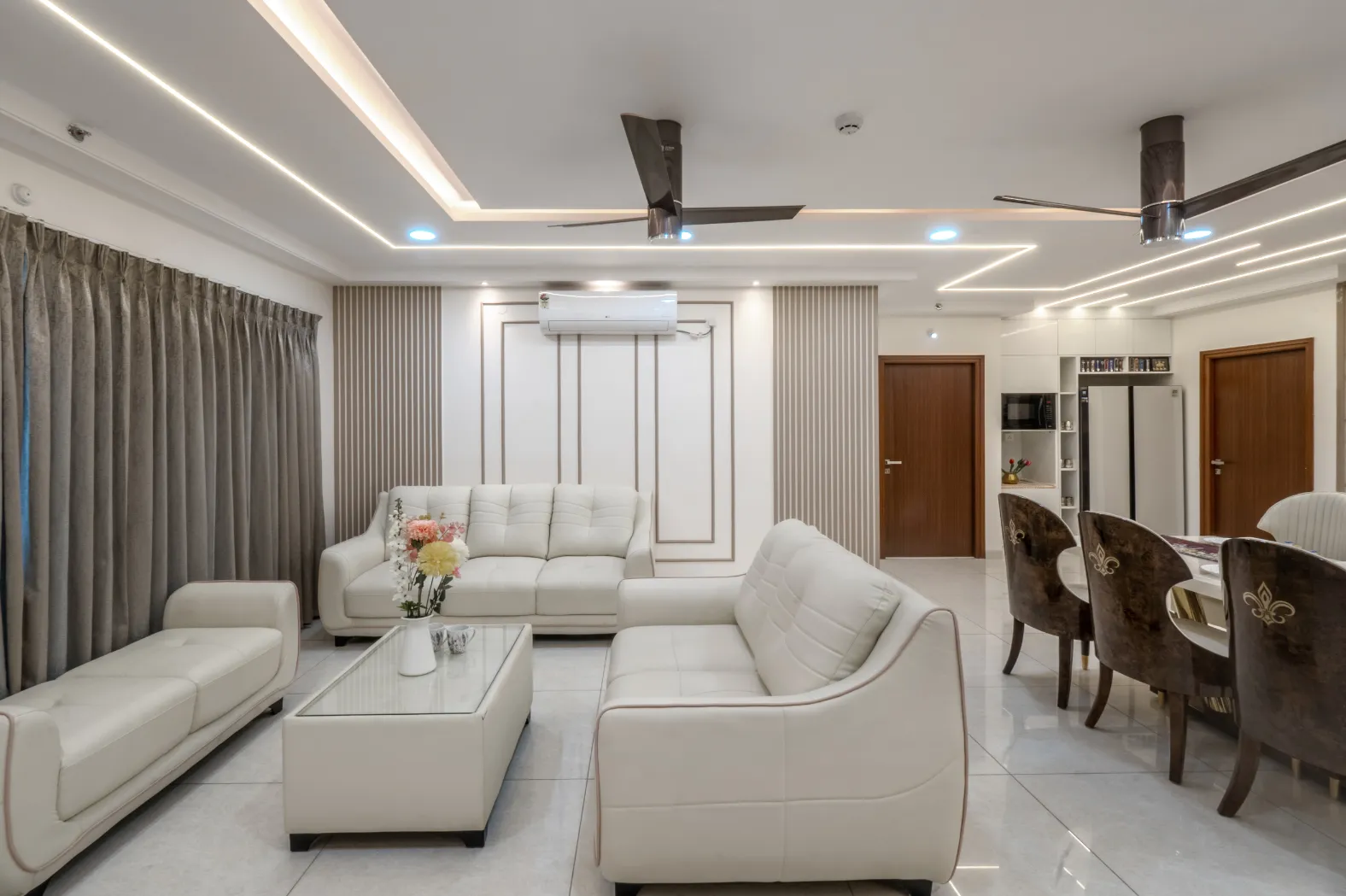
The Importance of a Focal Point in Living Room Design
Walk into a beautifully designed living room and your eyes naturally settle on one thing first. It might be a fireplace, a striking artwork, a large window with a view, or a thoughtfully designed TV wall. That element is called the focal point, and it plays a much bigger role in living room design than many homeowners realize.
A focal point gives the room direction. It creates visual balance, helps organize furniture, and makes the space feel intentional rather than random. Without one, even a room filled with expensive furniture can feel scattered and unfinished.
In this guide, we’ll explore why a focal point matters, how it improves living room design, and practical ways to create one in your own home.
What Is a Focal Point?
A focal point is the feature that immediately attracts attention when someone enters a room.
Common focal points include:
- A fireplace
- A TV wall or entertainment unit
- A large window with a beautiful view
- A statement artwork
- A chandelier or pendant light
- A textured feature wall
- Built-in shelving or a bookcase
In living room design, the focal point acts as the visual anchor that ties the entire space together.
Why Every Living Room Needs a Focal Point
Imagine a room where nothing stands out. Your eyes move from the sofa to the table to the shelves without finding a clear place to rest. The room may have nice pieces, but it feels confusing rather than cohesive.
A focal point solves this problem by giving the room a clear visual hierarchy. It tells the eye where to look first and helps every other element support that main feature.
This simple design principle can make a living room feel more organized, more elegant, and more comfortable to spend time in.
A Focal Point Enhances Visual Appeal
One of the biggest benefits of a focal point is that it instantly makes a room more interesting.
For example:
- A large abstract painting can add color and personality.
- A marble feature wall can create a sense of luxury.
- A dramatic chandelier can become the centerpiece of the room.
- A beautifully designed TV unit can add both style and function.
When guests enter the room, the focal point becomes a natural conversation starter. It gives the space character and prevents it from feeling plain or generic.
It Creates Balance in Living Room Design
A well-placed focal point helps establish balance throughout the room.
Once the focal point is identified, furniture can be arranged around it. Sofas, chairs, tables, and lighting work together instead of competing for attention.
For example:
- If the fireplace is the focal point, seating is often arranged to face it.
- If a large window is the focal point, furniture may be positioned to enjoy the view.
- If the TV wall is the focal point, the layout can be designed for comfortable viewing while still allowing conversation.
This creates a sense of harmony that makes the room feel calm and well planned.
It Helps Define How the Room Is Used
A focal point can also influence the functionality of the living room.
For example:
- A fireplace encourages gathering and conversation.
- A TV wall supports entertainment and family movie nights.
- A reading nook with a statement bookshelf creates a quieter, more intimate area.
- A large window can turn the room into a place for relaxation and enjoying natural light.
In effective living room design, the focal point and the room’s purpose should support each other.
It Reflects Your Personal Style
Your focal point is often the most personal part of the room.
It might be:
- A collection of artwork you love
- A handcrafted wooden feature wall
- A vintage cabinet inherited from family
- A modern stone fireplace
- A gallery wall of travel photographs
Because the focal point attracts the most attention, it’s an ideal place to showcase your personality and interests.
This is what turns a beautifully designed room into a home that feels uniquely yours.
A Focal Point Adds Depth and Dimension
Good living room design isn’t just about filling a space with furniture. It’s about creating layers that make the room feel rich and inviting.
A focal point helps create that depth.
Designers often use:
- Contrasting colors
- Different textures
- Lighting
- Wall paneling
- Stone or wood finishes
- Large-scale artwork
to make the focal point stand out while adding dimension to the room.
For example, a textured wall behind a TV unit can create visual interest without overwhelming the space. A large piece of art above a sofa can make the room feel taller and more dramatic.
How to Choose the Right Focal Point
If your living room already has a strong architectural feature, use it.
Examples include:
- A fireplace
- Large windows
- Exposed brick
- Wooden beams
- Built-in shelving
If the room doesn’t have an obvious focal point, you can create one with:
- A feature wall with wood, stone, or textured panels
- A statement light fixture
- A large mirror
- A bold piece of artwork
- A custom TV unit
- A decorative console or display cabinet
The key is to choose one main feature rather than several competing ones.
Common Focal Point Mistakes to Avoid
Many homeowners unintentionally weaken their living room design by:
- Creating multiple competing focal points
- Using artwork that is too small for the wall
- Placing furniture in a way that blocks the focal point
- Adding too many decorative items around the main feature
- Ignoring lighting that could highlight the focal point
- Choosing a focal point that doesn’t relate to how the room is used
A successful focal point should stand out naturally without feeling forced.
Focal Point Ideas for Different Living Rooms
For apartments:
- TV feature wall with storage
- Large mirror to reflect light
- Vertical wood paneling
- Statement artwork above the sofa
For independent houses:
- Fireplace or media wall
- Large window overlooking the garden
- Custom shelving with lighting
- Stone or textured accent wall
For luxury villas:
- Double-height feature wall
- Designer chandelier
- Marble-clad fireplace
- Indoor-outdoor view as the focal point
- Bespoke entertainment unit with integrated lighting
The Role of Lighting
Lighting can dramatically strengthen a focal point.
Consider:
- Wall sconces framing artwork
- LED strip lighting behind panels
- Spotlights directed at a feature wall
- Pendant lights centered above a seating area
- Floor lamps highlighting a reading corner
The right lighting draws attention to the focal point and adds depth to the room, especially in the evening.
Why Professional Interior Design Makes a Difference
Creating a focal point may sound simple, but getting the scale, placement, lighting, and furniture arrangement right takes experience.
Professional designers look at the room as a whole. They consider:
- The size of the space
- Natural light
- Traffic flow
- Furniture proportions
- Color palette
- Architectural features
- How the family actually uses the room
This ensures the focal point enhances the living room design instead of overpowering it.
Final Thoughts
A focal point is one of the most powerful tools in living room design. It gives the room structure, creates visual interest, and helps every other element work together harmoniously.
Whether it’s a fireplace, a TV wall, a large window, or a piece of art, the right focal point can completely change how a living room feels. It turns a collection of furniture into a cohesive space that feels welcoming, balanced, and thoughtfully designed.
At LH Interiors, we believe great living room design starts with understanding how people experience a space. By creating a strong focal point and building the room around it, we help homeowners create living spaces that are both beautiful and comfortable to live in every day.