
Introduction
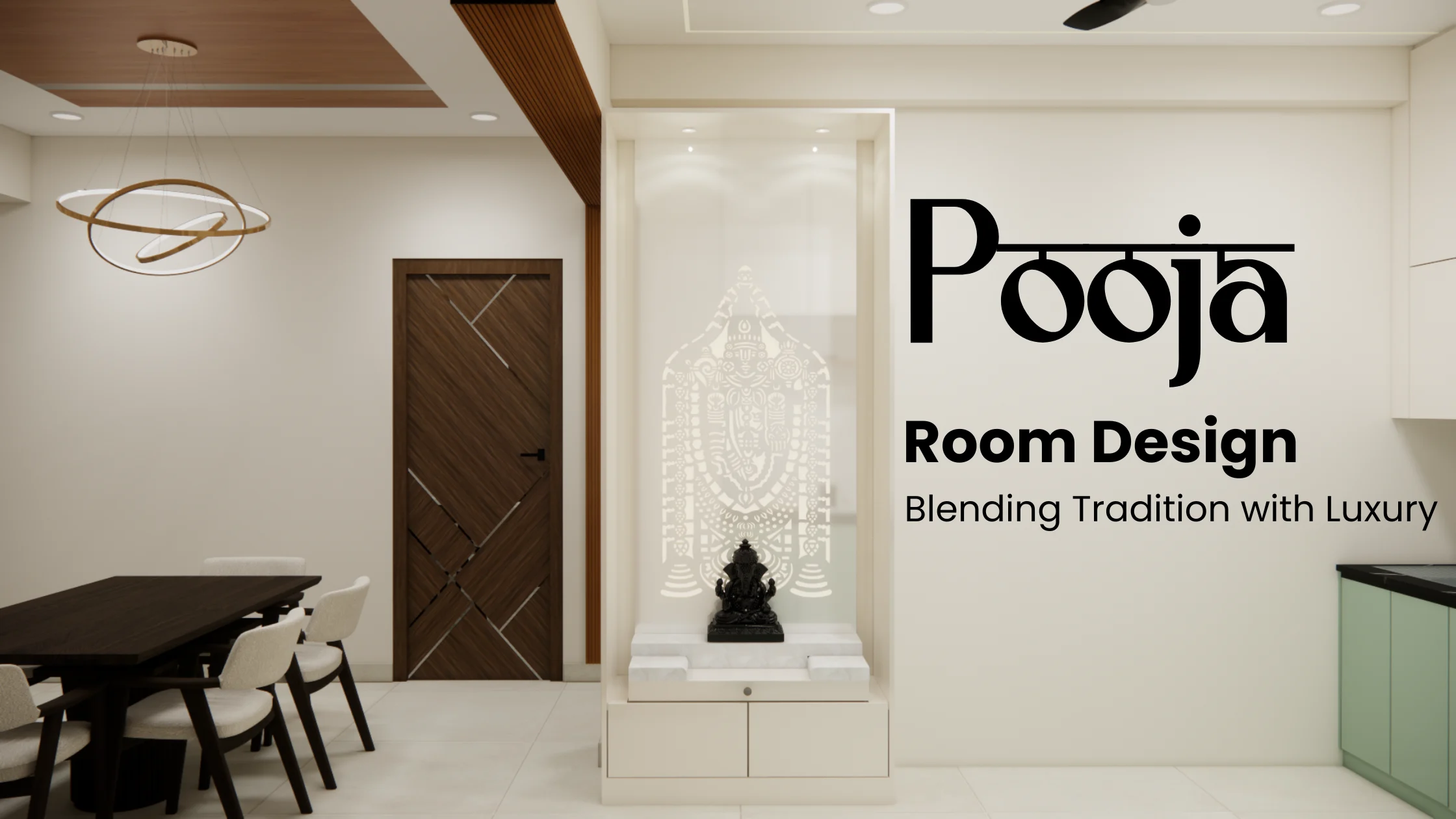
A home feels complete when it includes a peaceful space for prayer and reflection. For many Indian families, the pooja room is more than a dedicated place for worship—it’s where traditions are passed down, festivals are celebrated, and moments of gratitude begin and end each day. A thoughtfully planned pooja room brings together spirituality, comfort, and timeless design.
Modern homes no longer treat the pooja room as an afterthought. Whether you own a spacious villa or a compact apartment, creating a well-designed prayer space allows you to preserve tradition while complementing the overall style of your home.
Why a Pooja Room Is an Essential Part of the Home
The pooja room serves as a quiet retreat from the pace of everyday life. It offers a place for meditation, daily prayers, and family gatherings during religious occasions.
A well-designed prayer room can:
- Create a peaceful atmosphere for worship
- Strengthen family traditions
- Enhance the home’s overall aesthetic
- Provide a dedicated space for mindfulness and reflection
- Blend cultural values with contemporary living
When planned carefully, the pooja room naturally becomes one of the most meaningful spaces in the home.
Choose the Right Location
The location of the pooja room plays an important role in both functionality and traditional beliefs.
Many homeowners prefer placing the prayer room in the northeast direction according to Vastu principles. However, the ideal location also depends on your home’s layout and available space.
When selecting the location:
- Choose a quiet area with minimal distractions.
- Ensure adequate natural light.
- Avoid placing it directly beneath staircases or inside bathrooms.
- Allow enough room for comfortable seating during prayers.
A peaceful environment encourages regular use and creates a calming atmosphere.
Select Timeless Materials
Natural materials bring warmth, elegance, and a sense of permanence to a prayer space.
Popular choices include:
- Marble flooring
- Wooden panels
- Natural stone
- Brass accents
- Glass detailing
- Handcrafted wooden doors
These materials not only enhance the appearance of the pooja room but also remain durable for many years.
Create a Beautiful Backdrop
The wall behind the deity often becomes the focal point of the prayer room.
Some elegant design ideas include:
- Marble feature walls
- Wooden carvings
- Decorative jali panels
- Stone cladding
- Textured finishes
- Soft wallpaper with subtle patterns
A simple yet refined backdrop allows the idols or framed images to stand out beautifully.
Incorporate Thoughtful Lighting
Lighting has a significant impact on the mood of a prayer room.
Instead of relying on a single ceiling light, consider layering different lighting options.
Popular choices include:
- Warm LED strip lighting
- Recessed ceiling lights
- Pendant lamps
- Decorative brass hanging lights
- Spotlights for the deity
- Wall-mounted lamps
Soft, warm lighting creates a peaceful environment suitable for both daily prayers and festive occasions.
Use Elegant Storage Solutions
A functional pooja room should provide storage without appearing cluttered.
Include dedicated space for:
- Prayer books
- Incense sticks
- Diyas
- Flowers
- Puja accessories
- Oil lamps
- Religious items
Hidden cabinets and floating shelves help maintain a clean and organized appearance.
Add Traditional Craftsmanship
Traditional design elements bring authenticity and character to modern prayer rooms.
Consider incorporating:
- Hand-carved wooden doors
- Brass bells
- Decorative pillars
- Intricate jali work
- Stone carvings
- Temple-inspired detailing
These handcrafted features celebrate Indian heritage while complementing contemporary interiors.
Keep the Colour Palette Calm
The colours used in a pooja room should encourage peace and positivity.
Popular colour choices include:
- White
- Cream
- Beige
- Soft gold
- Light wood tones
- Pale grey
- Ivory
You can introduce richer colours like deep maroon, saffron, or emerald green through decorative accessories without overwhelming the space.
Maximize Natural Light
Natural daylight enhances the spiritual atmosphere of a prayer room.
If possible:
- Position the room near a window.
- Use sheer curtains to soften sunlight.
- Avoid blocking natural light with bulky furniture.
- Add indoor plants nearby where appropriate.
Natural lighting makes the space feel open, fresh, and inviting.
Design Compact Pooja Rooms for Modern Homes
Not every home has space for a separate prayer room, but that doesn’t mean you have to compromise.
Compact pooja room ideas include:
- Wall-mounted prayer units
- Built-in niches
- Sliding-door pooja cabinets
- Wooden temple units
- Foldable prayer shelves
- Decorative corner installations
Even small spaces can become peaceful sanctuaries with thoughtful planning.
Blend Tradition with Modern Design
Today’s interiors successfully combine cultural heritage with contemporary aesthetics.
You can achieve this balance by:
- Pairing traditional wooden carvings with minimalist furniture
- Using marble alongside modern lighting
- Combining brass accessories with clean architectural lines
- Incorporating subtle temple-inspired details without excessive ornamentation
This approach creates a prayer room that feels timeless rather than overly traditional.
Keep the Space Clutter-Free
A calm environment encourages better focus during prayer and meditation.
Maintain simplicity by:
- Displaying only essential religious items.
- Organizing accessories inside storage cabinets.
- Avoiding excessive decoration.
- Keeping surfaces clean and open.
- Using coordinated materials and finishes.
Minimalism enhances both spirituality and visual appeal.
Why Professional Design Matters
Designing a pooja room involves more than selecting decorative elements.
Experienced interior designers consider:
- Space planning
- Lighting placement
- Ventilation
- Material durability
- Storage requirements
- Electrical planning
- Overall harmony with the home’s interior
Professional guidance helps create a prayer room that is both functional and visually balanced while respecting family traditions.
Conclusion
A thoughtfully designed pooja room brings together faith, tradition, and elegant design in one meaningful space. From selecting the right location and materials to incorporating lighting, storage, and handcrafted details, every element contributes to creating a peaceful sanctuary within your home.
Whether you’re designing a spacious villa or a compact apartment, a well-planned pooja room offers a place for reflection, family gatherings, and daily devotion. With timeless design choices and expert planning, you can create a spiritual space that complements your home beautifully while preserving the traditions that matter most.