
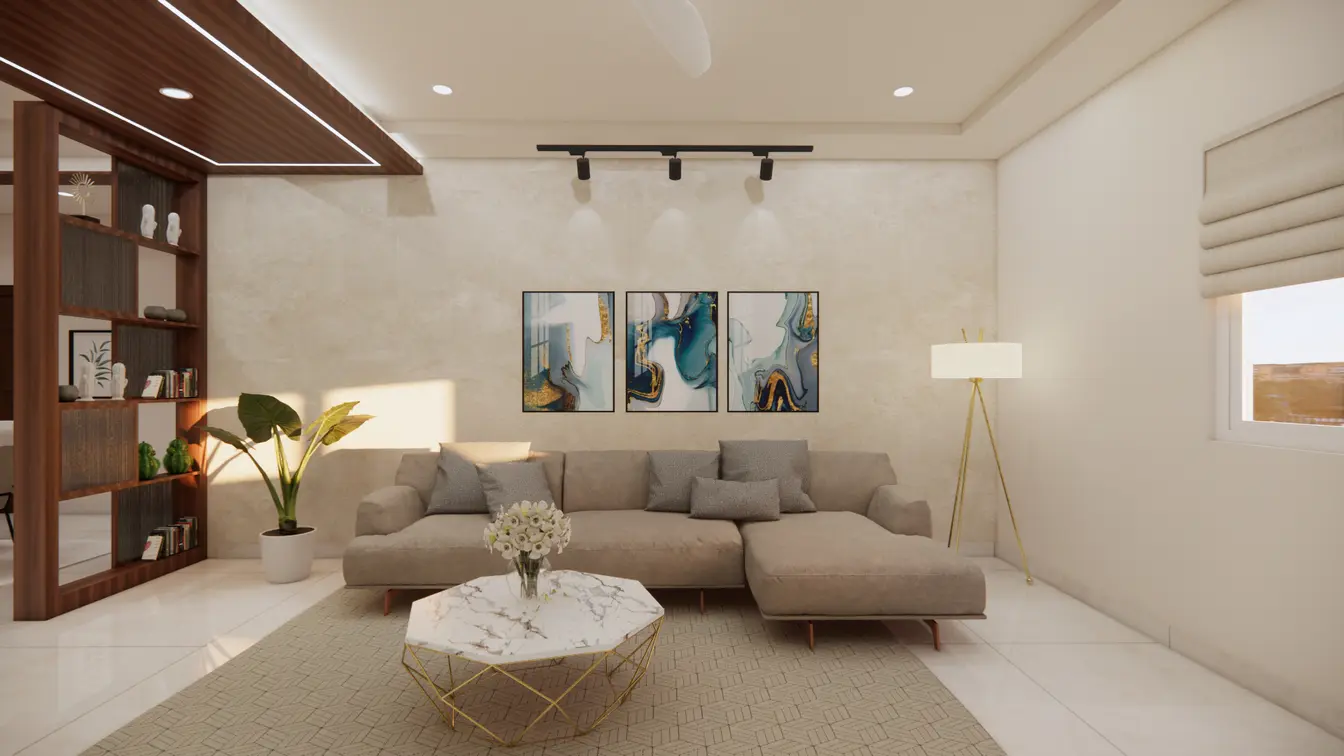
A beautiful home is more than just attractive furniture and expensive décor—it is a reflection of your personality and lifestyle. The right interior design can completely transform any space, making it more functional, stylish, and inviting. Whether you’re renovating your home or simply refreshing a room, a few smart design choices can make a remarkable difference.
If you’re looking to give your home a fresh new look, these practical interior design tips will help you create elegant, comfortable, and visually stunning spaces without overwhelming your budget.
Start with a Clear Purpose for Every Room
Before choosing furniture, colors, or décor, think about how you intend to use the room.
Ask yourself:
- Is it a relaxing bedroom?
- A productive home office?
- A lively living room for entertaining guests?
- A peaceful reading corner?
Understanding the room’s purpose helps you make better decisions about layout, lighting, furniture, and accessories.
Choose a Balanced Color Palette
Color has a significant impact on the atmosphere of a room. Selecting the right combination can make your interiors feel larger, brighter, or cozier.
Some popular color combinations include:
- White and beige for timeless elegance
- Grey and navy for a contemporary look
- Earthy greens with wooden accents for a natural feel
- Soft pastels for a calming ambiance
Avoid using too many bold colors in one space. Instead, use vibrant shades through cushions, artwork, or decorative accessories.
Let Natural Light Take Center Stage
Natural lighting instantly enhances any interior design by making spaces feel open and welcoming.
Maximize daylight by:
- Using sheer curtains
- Keeping windows unobstructed
- Adding mirrors opposite windows
- Choosing reflective surfaces like glass and polished finishes
Well-lit spaces always appear larger and more luxurious.
Invest in Quality Paint
Paint is one of the easiest and most affordable ways to refresh your home. While inexpensive paint may seem appealing, premium-quality paint offers better coverage, durability, and long-lasting color.
Neutral shades remain popular because they:
- Make rooms appear spacious
- Complement every décor style
- Increase resale appeal
- Provide flexibility for decorating
Accent walls can also introduce character without overwhelming the room.
Create a Focal Point
Every room should have one feature that naturally draws attention.
Some great focal points include:
- A statement sofa
- An elegant fireplace
- A textured accent wall
- Large artwork
- Decorative wallpaper
- Stylish lighting fixtures
A well-defined focal point gives the room structure and visual balance.
Select Furniture That Fits the Space
One common decorating mistake is choosing furniture that is either too large or too small.
For better functionality:
- Measure your room before purchasing furniture.
- Leave enough walking space between pieces.
- Use multifunctional furniture in compact homes.
- Choose sleek designs for smaller rooms.
Properly scaled furniture creates an open and comfortable environment.
Use Mirrors to Make Rooms Feel Bigger
Mirrors are among the oldest yet most effective interior design tricks.
Benefits include:
- Reflecting natural light
- Creating the illusion of depth
- Making small rooms appear larger
- Enhancing brightness
Large mirrors work particularly well in living rooms, dining areas, and hallways.
Add Layers of Lighting
Lighting dramatically influences the mood of a room.
A balanced lighting plan includes:
- Ambient lighting for overall brightness
- Task lighting for reading and work
- Accent lighting to highlight artwork or décor
Pendant lights, wall sconces, floor lamps, and LED strip lighting can all add warmth and sophistication.
Mix Textures Instead of Colors
Rather than filling a room with multiple bright colors, introduce interest through texture.
Mix materials like:
- Wood
- Marble
- Linen
- Velvet
- Leather
- Metal
- Glass
- Woven fabrics
Layering textures creates depth while maintaining a cohesive appearance.
Personalize Your Space
Your home should tell your story.
Incorporate:
- Family photographs
- Travel souvenirs
- Handmade artwork
- Decorative books
- Indoor plants
- Customized furniture
Personal touches make a house feel truly like home.
Keep Décor Balanced
Too many decorative items can make a room feel cluttered.
Instead:
- Display carefully selected accessories.
- Leave empty spaces for visual balance.
- Rotate seasonal décor instead of displaying everything at once.
- Follow the “less is more” approach.
A thoughtfully curated room always looks more elegant.
Introduce Indoor Plants
Plants are one of the simplest ways to refresh your interiors.
Popular indoor plants include:
- Snake Plant
- Peace Lily
- Money Plant
- Areca Palm
- ZZ Plant
- Rubber Plant
They improve air quality while adding natural beauty to every room.
Choose Functional Storage Solutions
Good storage is an essential part of successful interior design.
Consider:
- Built-in cabinets
- Floating shelves
- Storage ottomans
- Under-bed storage
- Modular wardrobes
- Hidden compartments
Organized spaces always appear larger and more luxurious.
Don’t Be Afraid to Mix Styles
Modern interiors no longer require everything to match perfectly.
Try combining:
- Contemporary furniture with vintage décor
- Wooden textures with metallic accents
- Neutral walls with colorful artwork
- Minimalist furniture with patterned cushions
When done thoughtfully, mixed styles create unique and personalized interiors.
Refresh Walls Creatively
Blank walls offer endless design opportunities.
Ideas include:
- Gallery walls
- Large canvas artwork
- Decorative mirrors
- Floating shelves
- Textured wallpaper
- Wooden wall panels
Wall décor instantly elevates the character of any room.
Focus on Comfort as Much as Style
Beautiful interiors should also be practical and comfortable.
Choose furniture that supports everyday living while maintaining aesthetic appeal. Comfortable seating, soft fabrics, ergonomic layouts, and proper lighting create spaces you’ll enjoy spending time in.
Common Interior Design Mistakes to Avoid
Many homeowners unknowingly reduce the impact of their interiors by making simple mistakes.
Avoid:
- Overcrowding rooms with furniture
- Ignoring lighting
- Using too many colors
- Buying furniture before measuring the space
- Neglecting storage
- Hanging artwork too high
- Following every trend without considering functionality
Thoughtful planning always produces better results than impulse decorating.
Why Professional Interior Design Matters
Working with experienced professionals ensures that every inch of your home is planned efficiently.
Professional designers help with:
- Space planning
- Material selection
- Color coordination
- Furniture layout
- Lighting design
- Budget optimization
- Customized solutions
Their expertise transforms ordinary homes into beautiful, functional living spaces.
Conclusion
A well-planned interior design combines beauty, comfort, and practicality to create a home that truly reflects your personality. From choosing the right color palette and maximizing natural light to incorporating smart storage and stylish décor, even small design changes can make a significant impact.
Whether you’re redesigning a single room or your entire home, focus on thoughtful planning, quality materials, and timeless design principles. By following these simple tips, you can create interiors that feel elegant, welcoming, and perfectly suited to your lifestyle. A beautifully designed home is not just visually appealing—it enhances everyday living and creates a space you’ll love for years to come.