
Introduction
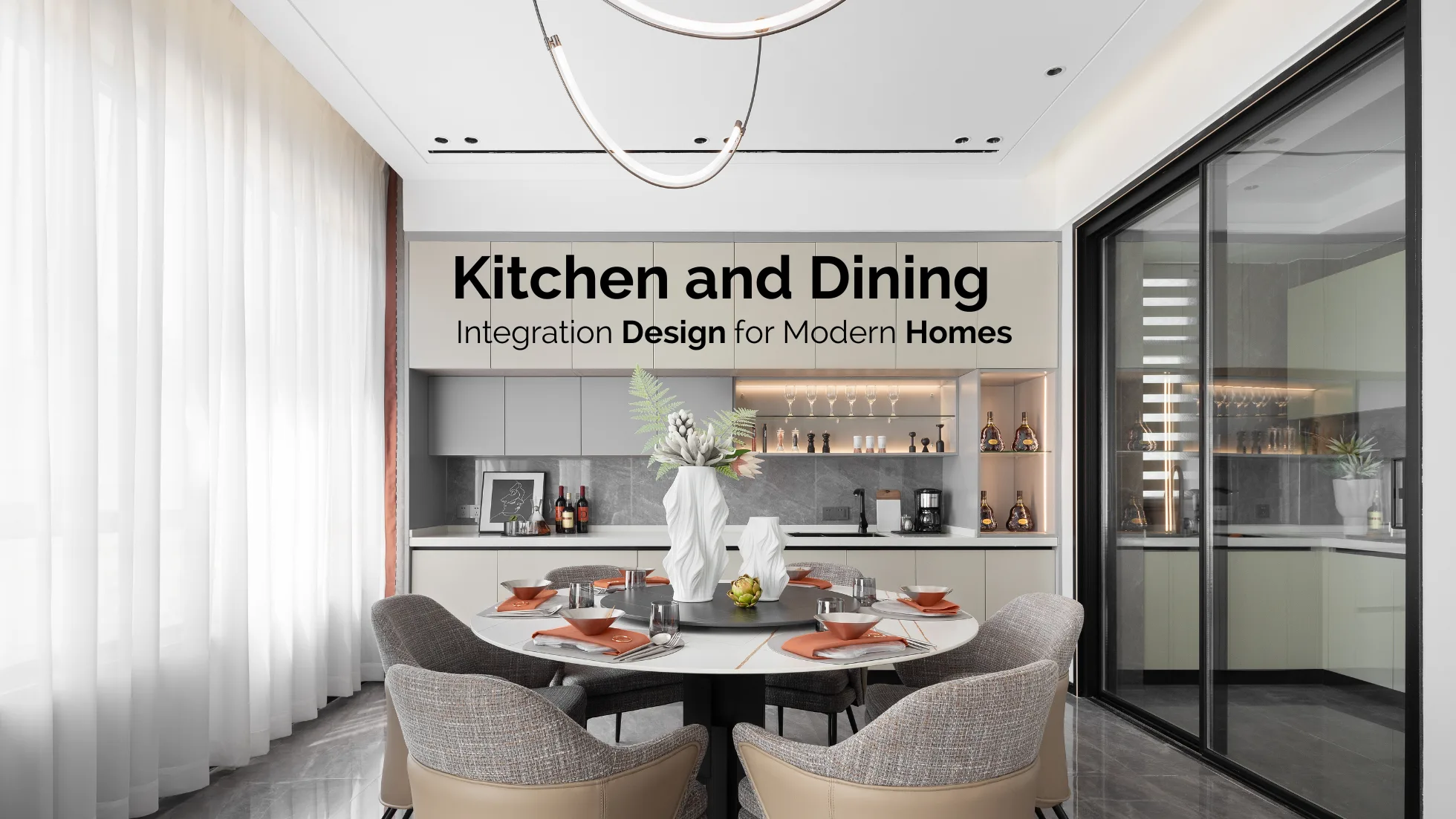
Modern homes are embracing open layouts that encourage better interaction, improved functionality, and a seamless flow between living spaces. A thoughtfully planned kitchen and dining area creates a welcoming environment where cooking, dining, and socializing happen effortlessly. In Hyderabad, homeowners are increasingly choosing integrated layouts that maximize space while adding elegance and practicality. Whether designing a compact apartment or a spacious villa, combining the kitchen and dining area enhances convenience, improves natural light, and creates a warm atmosphere for family gatherings and entertaining guests.
Benefits of Kitchen and Dining Integration
Integrating the kitchen and dining space creates a more connected home environment. Family members can interact while meals are being prepared, making cooking a more social experience. Open layouts also allow better supervision of children and make it easier to entertain guests without feeling isolated in the kitchen. The absence of unnecessary walls creates an airy and spacious feel, making even smaller homes appear larger and more inviting.
Open Layout with Functional Zoning
An open floor plan should still provide clear functional zones. The cooking, dining, and serving areas should have distinct purposes while maintaining visual continuity. Flooring patterns, ceiling designs, lighting fixtures, and furniture placement help define each section without interrupting the openness. This approach keeps the home organized while preserving a seamless flow between spaces.
Kitchen Islands as Central Features
A kitchen island has become one of the most popular features in modern kitchen and dining designs. It serves multiple functions, including food preparation, additional storage, casual dining, and social interaction. Islands can also house sinks, cooktops, or breakfast counters, making them highly versatile. In larger homes, spacious islands become the centerpiece that connects the kitchen with the dining and living areas while encouraging conversation and interaction.
Coordinated Colours and Materials
Consistency in colours and materials creates a unified appearance throughout the integrated space. Neutral shades such as white, beige, grey, and warm wood finishes work well in modern homes while making interiors feel brighter and more spacious. Matching cabinetry, countertops, flooring, and dining furniture helps create harmony without making the space look repetitive. Carefully selected textures and finishes add visual interest while maintaining a luxurious appearance.
Popular Kitchen and Dining Layouts
Several layouts work exceptionally well for integrated spaces. L-shaped kitchens provide excellent workflow while leaving sufficient room for dining furniture. U-shaped kitchens maximize storage and preparation space while connecting naturally to the dining area. Kitchen islands offer flexibility and create a natural gathering point, while peninsula layouts are ideal for apartments where space is limited. Choosing the right configuration depends on the available floor area, family size, and lifestyle requirements.
Smart Storage Solutions
Efficient storage is essential for maintaining clutter-free kitchen and dining spaces. Full-height cabinets, pull-out pantry units, corner storage systems, drawer organizers, and concealed appliances maximize functionality while maintaining a clean appearance. Custom storage solutions help organize cookware, utensils, crockery, and dining accessories, ensuring everything remains accessible without overcrowding the space.
Proper Lighting Design
Lighting plays an important role in enhancing both functionality and ambiance. Bright task lighting over cooking areas improves safety and efficiency, while decorative pendant lights above the dining table create an inviting atmosphere. Under-cabinet lighting improves visibility during meal preparation, and recessed ceiling lights provide even illumination throughout the space. Dimmable lighting systems allow homeowners to create different moods for family dinners or entertaining guests.
Ventilation and Air Quality
Since the kitchen and dining areas are connected, proper ventilation becomes even more important. High-quality chimney systems, exhaust fans, and strategically placed windows help remove cooking smoke, grease, and odors. Good airflow keeps the dining area fresh and comfortable while maintaining a pleasant indoor environment. Efficient ventilation also protects furniture and finishes from long-term exposure to moisture and cooking residue.
Comfortable Dining Space
The dining area should provide enough room for movement and comfortable seating. Selecting the right dining table size ensures the space feels balanced without becoming overcrowded. Comfortable chairs, adequate circulation space, and easy access to the kitchen improve the overall dining experience. Adding decorative elements such as artwork, indoor plants, or statement lighting enhances the visual appeal while maintaining a warm and welcoming atmosphere.
Technology Integration
Modern kitchen and dining spaces increasingly incorporate smart technology to improve convenience. Smart appliances, touchless faucets, built-in charging stations, automated lighting, and voice-controlled devices simplify daily tasks while maintaining clean and organized interiors. Integrating technology during the design stage ensures a seamless appearance without visible wiring or bulky equipment.
Importance of Professional Design
Designing an integrated kitchen and dining space requires careful planning of layouts, plumbing, electrical systems, ventilation, storage, and lighting. Professional interior designers ensure every element works together efficiently while creating a cohesive and elegant design. Their expertise helps homeowners avoid costly mistakes, optimize available space, and create interiors that combine beauty with long-term functionality.
Conclusion
A well-designed kitchen and dining space transforms the way families live, cook, and spend time together. Open layouts, smart storage, coordinated materials, efficient lighting, and modern technology create interiors that are both practical and luxurious. Whether designing a new home or renovating an existing one, integrating the kitchen and dining area improves comfort, encourages interaction, and enhances the overall value of the home. With thoughtful planning and professional guidance, homeowners can create a beautiful living space that supports modern lifestyles while remaining stylish and functional for years to come.