
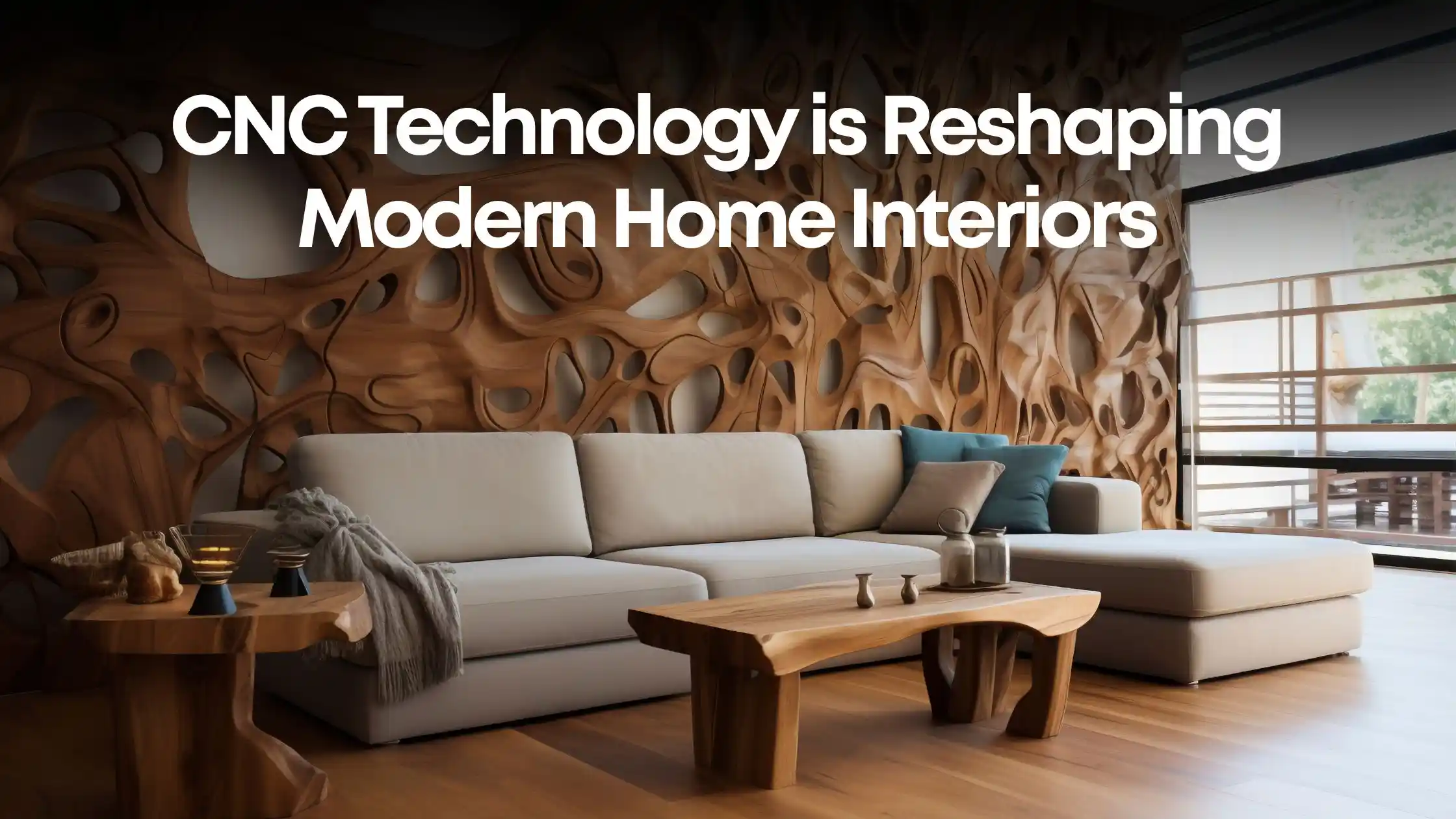
Walk into a newly designed home today, and you’ll notice something different. Cabinet doors line up perfectly, decorative wall panels have intricate patterns, and every corner looks clean and precise. These details aren’t just the result of skilled craftsmanship—they’re also made possible by CNC Technology.
Over the last few years, CNC Technology has changed the way custom furniture and home interiors are designed and manufactured. It allows designers to create furniture with greater accuracy, consistent quality, and detailed finishes that would be difficult to achieve by hand.
If you’re planning a new home or renovating an existing one, understanding how CNC Technology works can help you appreciate why it’s become an essential part of modern interior design.
What Is CNC Technology?
CNC Technology, which stands for Computer Numerical Control, uses computer-guided machines to cut, shape, and engrave materials with exceptional precision.
Instead of relying entirely on manual measurements, designers first create a digital design. The CNC machine then follows those exact measurements to produce every piece with remarkable accuracy.
Since the machine follows the same programmed instructions every time, every panel, shutter, and decorative element is manufactured with consistent quality.
How CNC Technology Works
The process begins with a digital design prepared using specialised software.
Once the design is approved, the CNC machine reads the file and cuts the material exactly as specified. Whether the project requires straight edges, curved designs, intricate patterns, or detailed carvings, CNC Technology delivers precise results with minimal variation.
This level of consistency is one of the biggest reasons modern interior projects now rely on CNC manufacturing.
Materials That Can Be Used with CNC Technology
One of the biggest advantages of CNC Technology is its versatility.
It can be used to work with a wide variety of materials, including:
- MDF
- HDHMR boards
- Plywood
- Natural wood
- Acrylic sheets
- PVC boards
- Aluminium
- Metal sheets
This flexibility allows designers to create everything from functional furniture to decorative design elements using the same manufacturing process.
Where CNC Technology Is Used in Home Interiors
Today, CNC Technology is found in almost every part of a modern home.
Some of its most common applications include:
- Kitchen cabinet shutters
- Wardrobe doors
- TV unit panels
- Decorative wall cladding
- Pooja room back panels
- Jali partitions
- Headboards
- Ceiling panels
- Floating shelves
- Custom furniture components
Its ability to produce identical pieces makes it especially useful for large interior projects where consistency matters.
Why Homeowners Prefer CNC Technology
The popularity of CNC Technology isn’t just about creating attractive designs. It also offers several practical advantages that improve the overall quality of furniture.
Exceptional Precision
Every cut is made according to the digital design, reducing the chances of uneven edges or incorrect measurements.
Better Finish Quality
Accurate cutting produces cleaner joints and smoother surfaces, making furniture look more refined once installed.
Faster Production
After the design is finalised, CNC machines can manufacture multiple components quickly without compromising quality.
Reduced Material Waste
Because every cut is carefully planned by software, materials are used more efficiently, reducing unnecessary wastage.
Consistent Results
Whether one cabinet or fifty are being manufactured, CNC Technology ensures that every piece matches perfectly.
Why CNC Technology Is Perfect for Modern Interiors
Modern homes often feature minimal designs, clean lines, and customised furniture. These styles require precision that can be difficult to achieve through manual methods alone.
With this , designers can create:
- Elegant geometric wall panels
- Intricate jali partitions
- Contemporary wardrobe shutters
- Decorative ceiling features
- Custom storage units
- Designer furniture with detailed patterns
The ability to reproduce complex designs accurately allows homeowners to personalise their interiors without sacrificing quality.
Combining Technology with Skilled Craftsmanship
Although CNC Technology plays an important role in manufacturing, it doesn’t replace experienced designers or skilled craftsmen.
Interior designers still decide the layout, materials, finishes, and overall appearance of the furniture. The CNC machine simply brings those ideas to life with greater precision.
The best interiors combine thoughtful design with advanced manufacturing to achieve both beauty and durability.
Why LH Interiors Uses CNC Technology
At LH Interiors, every project begins with understanding how the homeowner wants to live in the space.
Once the design is finalised, this technology helps turn those ideas into accurately manufactured furniture that fits perfectly during installation. This approach allows us to maintain consistent quality while delivering customised interiors that reflect each client’s style.
By combining creative design with precision manufacturing, we create interiors that not only look elegant but also perform well for years.
Final Thoughts
CNC Technology has transformed the way modern home interiors are designed and built. It delivers precision, consistency, faster production, and cleaner finishes that are difficult to achieve through traditional methods alone.
From kitchen cabinets and wardrobes to decorative wall panels and custom furniture, this technology helps create interiors that are both functional and visually appealing.
When combined with experienced interior design, this technology allows homeowners to enjoy spaces that are beautifully crafted, practical, and built to last.