
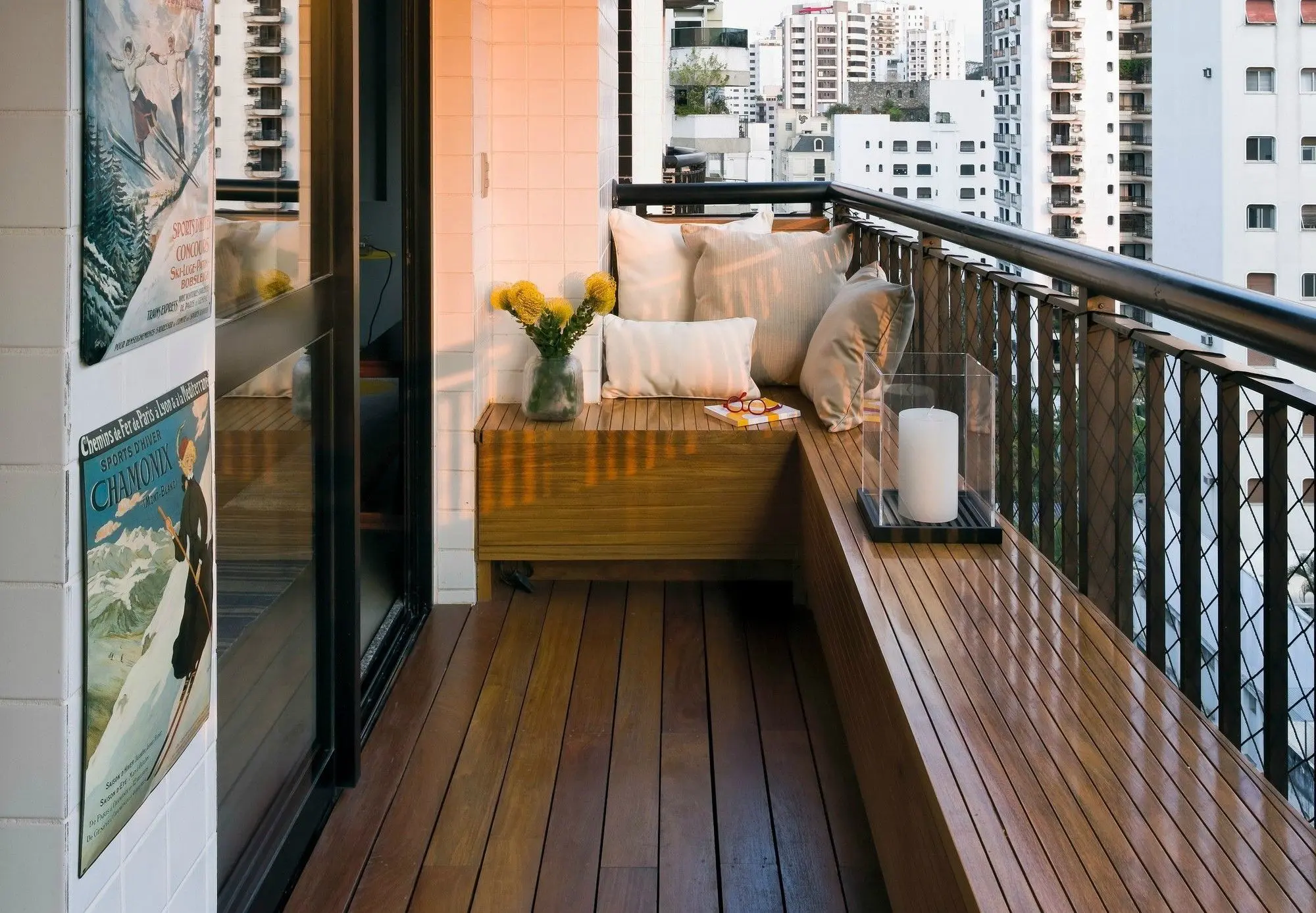
Interior Design: 6 Practical Ways to Create a Beautiful and Functional Space
Have you ever walked into a room and instantly felt comfortable without knowing why? It usually isn’t because of expensive furniture or trendy décor. More often, it’s the result of thoughtful interior design that balances style, comfort, and functionality.
A well-designed space should look beautiful, but it should also make everyday life easier. The colours, lighting, furniture, and décor all need to work together to create a home that reflects your personality while supporting the way you live.
Whether you’re decorating a new home, renovating an existing one, or simply refreshing a single room, these six ideas will help you make better design decisions that stand the test of time.
1. Start Every Interior Design Project with a Clear Vision
Many homeowners begin buying furniture and décor before deciding on the overall style they want. That often leads to rooms that feel disconnected because every piece was chosen separately.
Instead, begin by defining your vision.
Ask yourself:
- What atmosphere do I want this room to create?
- Should it feel calm, elegant, modern, or cosy?
- How will this room be used every day?
Collect inspiration from magazines, Pinterest, or completed projects that match your taste. Creating a simple mood board helps you identify common colours, materials, and furniture styles before making purchases.
Professional interior design always begins with planning because good decisions become much easier when there’s a clear direction.
2. Choose Colours and Textures That Work Together
Colour has one of the biggest influences on how a room feels.
Soft neutral shades such as warm white, beige, greige, and light grey create an open and relaxing atmosphere. Rich colours like navy, olive green, or charcoal can add depth when used as accent tones.
Texture is equally important. Even a neutral room can feel warm and inviting when different materials are combined thoughtfully.
Consider mixing:
- Natural wood furniture
- Linen curtains
- Cotton cushions
- Stone or marble surfaces
- Woven rugs
- Soft upholstered seating
The combination of colours and textures creates visual interest without making the room feel cluttered.
Experienced interior design professionals often rely on texture to make simple spaces feel luxurious.
3. Use Lighting to Shape the Mood
Lighting can completely change the appearance of a room.
Natural daylight should always be the starting point whenever possible. Large windows, sheer curtains, and open layouts help maximize available light.
For evenings, combine multiple lighting sources instead of depending on a single ceiling fixture.
A balanced lighting plan usually includes:
- Ambient lighting for overall brightness
- Task lighting for reading, cooking, or working
- Accent lighting to highlight artwork, shelves, or architectural features
Table lamps, wall lights, pendant lights, and LED strip lighting all contribute to creating a layered and welcoming atmosphere.
One of the simplest ways to improve interior design is by upgrading the lighting rather than replacing furniture.
4. Add Statement Pieces That Reflect Your Personality
Every room benefits from having one feature that naturally draws attention.
A statement piece doesn’t have to be expensive. It simply needs to complement the overall design while expressing your personal style.
Popular statement elements include:
- A large piece of artwork
- A designer sofa
- A sculptural coffee table
- A striking light fixture
- A decorative mirror
- An accent chair with bold upholstery
The key is balance.
Instead of filling the room with multiple eye-catching items, choose one or two focal points and allow the remaining décor to support them.
This approach creates a cleaner, more refined interior design without overwhelming the space.
5. Prioritize Function Along with Style
A beautiful room that doesn’t work well quickly becomes frustrating.
Good interior design always considers how people move through the space and use it every day.
Before selecting furniture, think about:
- Walking space between furniture
- Comfortable seating arrangements
- Storage requirements
- Daily routines
- Electrical outlet locations
- Natural traffic flow
Multifunctional furniture can also make a noticeable difference, especially in apartments or compact homes.
Examples include:
- Beds with storage drawers
- Extendable dining tables
- Coffee tables with hidden storage
- Modular sofas
- Built-in wardrobes
- Floating shelves
When every piece has a purpose, the room feels organised and more enjoyable to live in.
6. Finish the Room with Thoughtful Details
Small details often separate an average room from one that feels professionally designed.
Once the larger furniture is in place, focus on finishing touches that bring everything together.
Consider adding:
- Decorative cushions
- Indoor plants
- Area rugs
- Elegant curtains
- Framed artwork
- Decorative trays
- Candles or vases
- Books and personal accessories
Pay attention to hardware as well. Cabinet handles, door hardware, curtain rods, and light switch finishes should complement the overall design.
These details may seem minor individually, but together they create a polished and cohesive look.
The best interior design projects always pay attention to the finishing touches.
Common Interior Design Mistakes to Avoid
Even with good ideas, certain mistakes can affect the final result.
Try to avoid:
- Buying furniture before measuring the room
- Using only one source of lighting
- Following short-lived design trends
- Ignoring storage needs
- Choosing style over comfort
- Overcrowding rooms with decorative items
Simple, well-planned spaces usually feel more elegant than rooms filled with unnecessary furniture and accessories.
Why Professional Interior Design Makes a Difference
Many homeowners assume hiring a designer is only about making a home look luxurious.
In reality, professional interior design helps prevent costly mistakes, improves functionality, and ensures every room feels balanced from the beginning.
A designer considers details that are often overlooked, including:
- Space planning
- Material selection
- Lighting placement
- Colour coordination
- Storage solutions
- Furniture proportions
- Long-term durability
This thoughtful planning creates homes that remain comfortable and stylish for years rather than following temporary trends.
Final Thoughts
Great interior design isn’t about filling a home with expensive furniture or copying the latest trends. It’s about creating spaces that suit your lifestyle, feel welcoming, and remain practical every day.
Start with a clear vision, choose colours and materials that work together, invest in good lighting, add meaningful statement pieces, plan your layout carefully, and finish with thoughtful details. These simple principles can completely change how your home looks and feels.
At LH Interiors, we believe every home should reflect the people who live in it. Whether you’re redesigning a single room or planning a complete home makeover, our team creates interiors that combine beauty, comfort, and functionality.
A well-designed home isn’t just something you admire—it becomes a place you’ll enjoy living in every single day.