
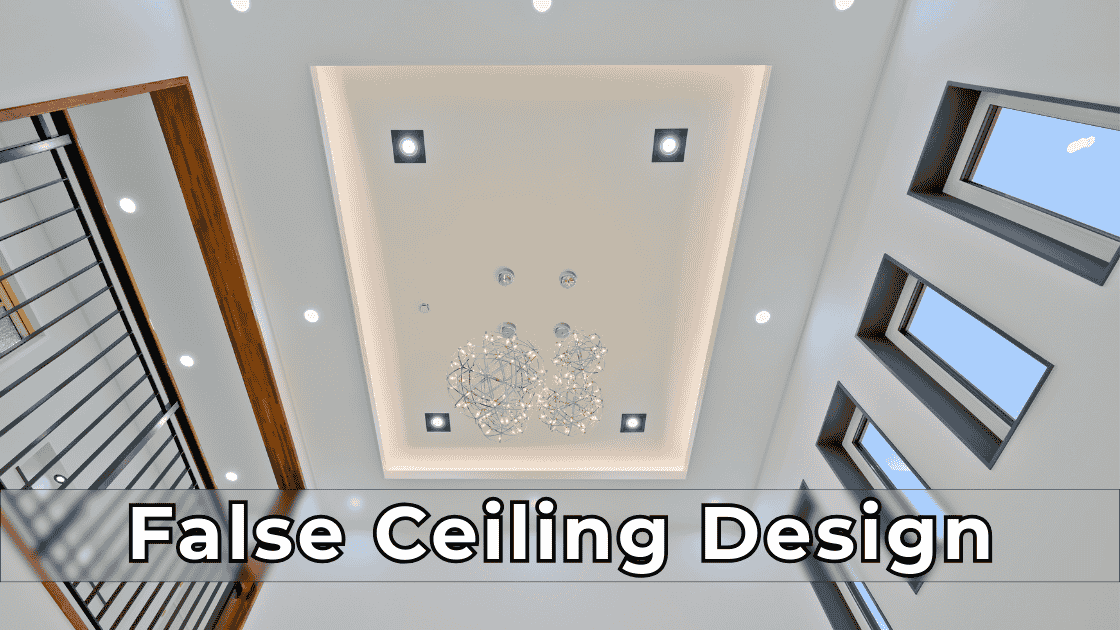
In Hyderabad’s luxury homes, everyone wants clean lines, concealed wiring, and a hotel-like ambience. False ceilings often seem like the default answer. For many custom home interiors Hyderabad-wide, they are treated almost like a compulsory “package item” rather than a thoughtful design choice. Yet a false ceiling can either elevate your space beautifully or leave it feeling heavy, low, and unnecessarily busy. Knowing when you truly need one—and when you don’t—is the real game changer.
This guide breaks down types, materials, practical uses, and smart decision points so you can approach false ceiling design with clarity and confidence.
What Is a False Ceiling, Really?
A false ceiling is a secondary ceiling suspended below the main slab. It creates a cavity in between, which can hide services, improve acoustics, or shape lighting. In luxury interior designers’ projects, this gap is rarely just cosmetic. It becomes valuable real estate for lighting, air-conditioning ducts, wiring, and speakers.
In villa interior design, where ceiling heights are often generous, false ceilings can help visually balance spaces and prevent rooms from feeling cavernous. In compact apartments, however, careless use can make rooms feel cramped. The key is intention, not habit.
When You Actually Need a False Ceiling
1. To Conceal Services and Wiring
If you want recessed lights, linear LEDs, cassette AC units, speakers, or motorized curtain tracks, you need space to run conduits and house fixtures. A well-planned false ceiling hides this entire ecosystem and leaves you with a clean, clutter-free surface.
In many custom home interiors Hyderabad residents commission today, this is the primary reason for adding a secondary ceiling. It keeps visual noise low while allowing technology and comfort to coexist discreetly.
2. To Correct Proportion in Tall or Oddly Shaped Rooms
Very tall rooms can feel impressive but impersonal. A carefully dropped ceiling over just the seating or dining area can create a sense of intimacy without sacrificing the overall volume.
For double-height villa spaces, partial or floating false ceiling elements can help visually “ground” furniture groupings, making the space feel designed rather than just big.
3. To Improve Acoustics
Concrete slabs, large windows, and hard flooring bounce sound around. In living rooms, home theatres, and bedrooms, a false ceiling with the right internal materials can soften echoes and create a calmer sound experience.
This becomes important in modern open plans where living, dining, and circulation are combined. Rather than scattering carpets everywhere, strategic ceiling treatment can quietly do a lot of the acoustic work.
4. To Shape Layered Lighting
If your lighting plan goes beyond a single central fitting, a false ceiling is often the best way to integrate multiple layers. Cove lighting, recessed downlights, concealed strips, and feature profiles usually need a recessed channel or cavity.
Thoughtful lighting is a hallmark of luxury interior designers. A false ceiling becomes the canvas that allows this subtle drama to exist without exposed fixtures and messy wiring.
5. To Deal with Slab-Level Defects or Beams
Older homes or builder-grade structures sometimes have uneven slabs, visible beams, or awkward soffits. A false ceiling can unify these visually, creating one smooth plane instead of a disturbed patchwork.
However, this should be a targeted solution, not an excuse to blanket every room with multiple levels and shapes.
When You Probably Don’t Need One
There are many situations where “no false ceiling” or “very minimal ceiling work” is the luxury choice.
You often don’t need full false ceilings when:
- Ceiling height is already low (around 9 feet or less).
- You prefer surface-mounted lights, floor lamps, and wall sconces.
- Services can run along walls, niches, or custom furniture instead.
- The slab is already clean and aesthetically pleasing.
In such homes, simple cornices, slim peripheral coves, or just a cleanly painted slab can feel more elegant and airy than a busy, multi-layered design.
Types of False Ceiling Designs Commonly Used
1. Full Ceiling Drop
A full ceiling drop covers the entire room in a uniform lower level. This is commonly used when:
- Ductable or cassette AC systems need consistent headroom.
- Multiple services need to be coordinated across the room.
- A very clean, hotel-like look is desired.
This works best in spaces with generous original height. In a standard apartment, overusing this approach can result in a “compressed” feeling if not carefully proportioned.
2. Peripheral or Border Ceiling
Only the edges of the room are dropped, often to house cove lighting and wiring. The centre of the room remains at full slab height.
This is a popular choice in custom home interiors Hyderabad apartments, because:
- It keeps the sense of height.
- It still allows for mood lighting and neat wiring.
- It frames the room without making it feel heavy.
3. Floating or Island Ceilings
A segment of the ceiling is lowered, often above the seating, dining table, or bed, with a gap around it. This gap may be lit, enhancing the “floating” effect.
Floating ceilings work very well in villa interior design, especially in large, open-plan spaces where you want to subtly zone different functions.
4. Coffered and Grid Ceilings
These feature a pattern of recessed panels, often square or rectangular. Traditionally, they were associated with classical or traditional home interiors, but modern versions use clean lines and subtle depth.
They can:
- Add character to plain ceilings.
- Help break large spans into balanced segments.
- Hide structural beams in a more decorative way.
5. Layered and Contours-Based Designs
Curves, multiple levels, or wave-like forms can be used, but these should be handled with restraint. Overly complicated shapes often age quickly and are hard to coordinate with future furniture or décor changes.
In high-end projects, layering is often subtle—just enough to hold light and shape, not to create ceiling “art” that competes with everything else.
Common False Ceiling Materials and Their Uses
Gypsum Board
- Smooth finish, ideal for modern, seamless ceilings.
- Good for recessed lights, coves, and complex shapes.
- Needs proper framing and good-quality finishing to avoid cracks.
Gypsum is widely used in custom home interiors Hyderabad projects for its versatility and clean look. The key is to work with experienced teams who understand jointing, painting, and load management.
POP (Plaster of Paris)
- Traditionally used for mouldings and detailed work.
- More labour-intensive and variable in quality.
- Better suited for ornate, traditional home interiors when done by skilled craftsmen.
Today, many designers prefer board-based systems for main planes and reserve POP for selective detailing if at all.
Metal Grid Systems with Tiles
- Common in commercial spaces and some utility areas.
- Allow easy access to services above.
- Not typically preferred in luxury residential living rooms, but can be used in back-end zones.
PVC and Readymade Panels
- Frequently used in budget projects, rental homes, or bathrooms.
- Quick to install and easy to clean.
- Often lack the refined finish expected in true luxury interiors, unless used very selectively.
Wood and Veneer Ceilings
- Bring warmth and richness.
- Best used in combination with other materials to avoid heaviness.
- Need careful planning for the expansion, maintenance, and integration of lights.
In villa interior design, wood ceilings can be stunning in double-height spaces, foyers, or select areas—when paired with the right lighting and balanced with lighter elements.
Practical Considerations Before You Decide
Ceiling Height
As a rule of thumb, after adding a false ceiling, a finished clear height of around 9 feet or more feels comfortable for living areas. If your slab-to-slab height is already low, you may opt for slim periphery work instead of full drops.
Services and Future Flexibility
Think beyond today’s light points. Consider:
- Future fan or chandelier locations.
- Potential shifts in furniture layouts.
- Access to wiring or ducts if something goes wrong.
Well-planned access panels and logical wiring routes are markers of evolving craftsmanship and design authenticity.
Budget and Maintenance
False ceilings add cost—both in material and labour. Intricate designs with multiple levels and curves escalate this further. More surfaces also mean more potential for hairline cracks or repainting over time.
A simpler, high-quality design often looks richer and ages better than an aggressively styled but poorly executed one.
False Ceiling Design: Do’s and Don’ts in Simple Terms
Do:
- Use ceilings to support lighting, acoustics, and services.
- Keep forms simple and let materials and light do the talking.
- Respect the proportion and existing ceiling height.
- Coordinate with the entire home’s design language.
Avoid:
- Adding levels and shapes just for the sake of it.
- Dropping ceilings too low in small rooms.
- Ignoring service access and maintenance.
- Treating every room like it needs a dramatic design.
Why Expert Guidance Matters for False Ceilings
False ceilings touch structure, electrical, HVAC, lighting, and aesthetics all at once. A mistake here is not as easy to fix as changing a cushion or a curtain.
Luxury interior designers look at:
- How the ceiling height and design affect your sense of space.
- How light will fall at different times of day and night.
- How services will be concealed yet accessible.
- How the ceiling works with furniture, wall finishes, and flooring.
Trusting experts early in the design process avoids rework, saves money, and ensures your ceilings quietly enhance your interiors rather than fight them.
Transform Your Home with Thoughtful Ceiling Design
False ceilings are powerful tools—but only when used with intention. Sometimes the most luxurious choice is a beautifully finished slab with just the right lights. Other times, a well-planned false ceiling is exactly what brings together lighting, comfort, and aesthetic coherence.
If you are planning custom home interiors Hyderabad-wide—whether for a new villa, a premium apartment, or a renovation—consider involving a design team before saying yes or no to ceiling work. LH Interiors specializes in holistic planning where ceilings, walls, and floors work as one story, not three separate decisions.
Explore how a tailored false ceiling strategy can support your lighting, comfort, and style. A conversation at the right time can be the difference between “another trendy ceiling” and a space that feels quietly stunning for years to come.