
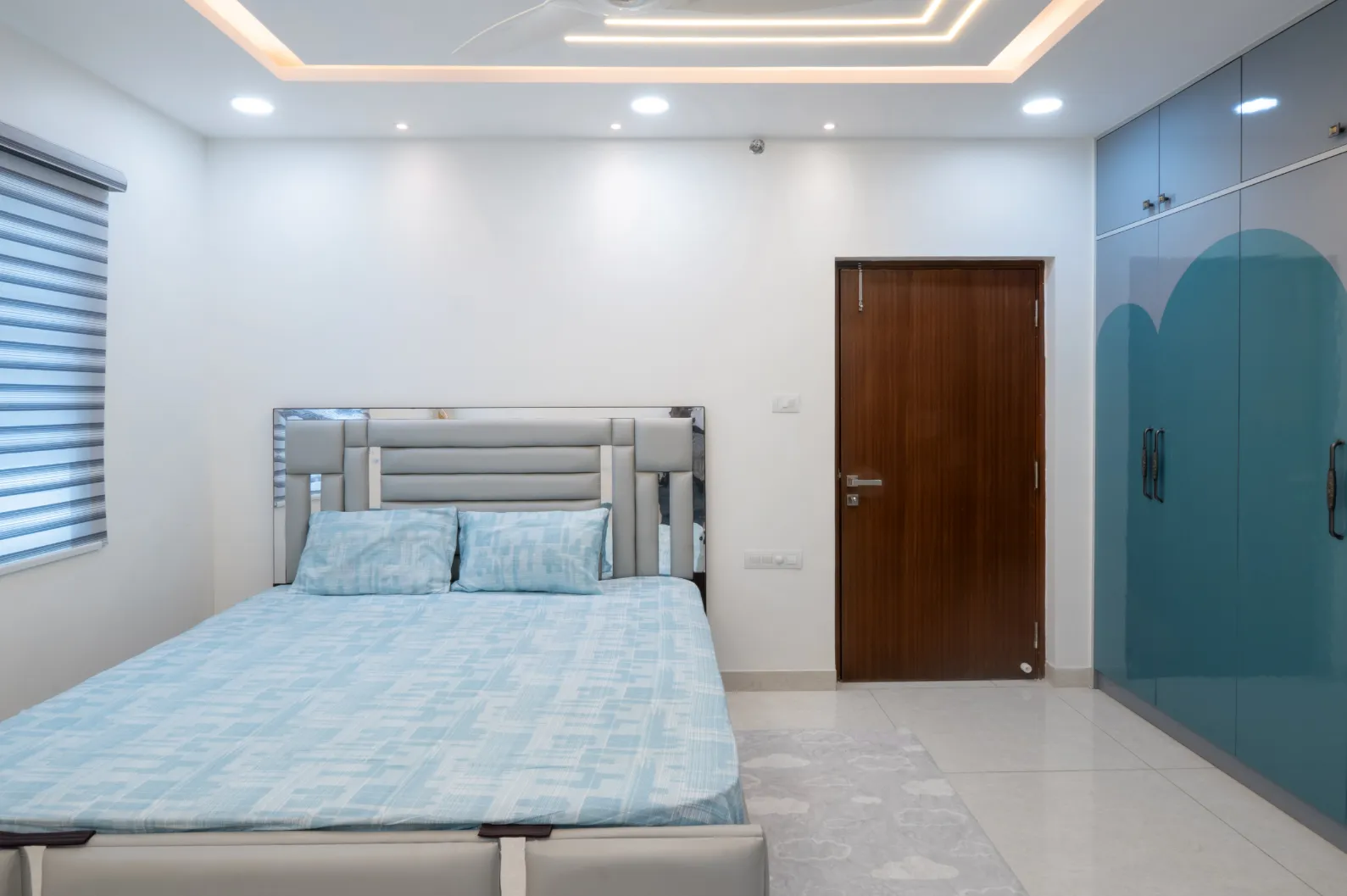
Interior design has evolved significantly over the years, and one style that continues to attract homeowners is contemporary interior design. Known for its clean lines, open spaces, and understated elegance, this design style creates homes that feel modern without being overwhelming. Unlike trends that quickly go out of fashion, contemporary interiors adapt to current lifestyles while maintaining a timeless appeal.
If you’re planning to renovate your home or simply want to understand this popular style, here’s everything you need to know about contemporary interior design and how to incorporate it into your living spaces.
What Is Contemporary Interior Design?
Contemporary interior design refers to the design style that reflects the architecture, materials, and decorating trends of the present day. Although it’s often confused with modern interior design, the two are different.
Modern design follows a specific design movement from the early to mid-20th century, while contemporary design evolves over time. It embraces current ideas, innovative materials, and changing lifestyles, making it more flexible and adaptable.
The goal of contemporary interior design is to create spaces that feel open, functional, comfortable, and visually balanced.
Key Characteristics of Contemporary Interior Design
Several elements define contemporary interiors and give them their distinctive appearance.
Clean Lines and Simple Shapes
One of the most recognizable features of contemporary interior design is its emphasis on clean, uncluttered lines. Furniture, architectural details, and décor avoid excessive ornamentation in favor of simple geometric forms.
Straight edges, smooth surfaces, and balanced proportions create interiors that feel calm and organized.
Neutral Color Palettes with Bold Accents
Most contemporary interiors begin with a neutral foundation. Popular colors include:
- White
- Beige
- Soft grey
- Taupe
- Charcoal
- Black
These shades make rooms feel brighter and more spacious. Accent colors such as navy blue, emerald green, mustard yellow, or burnt orange can then be introduced through cushions, artwork, rugs, or decorative accessories.
Open and Spacious Layouts
Contemporary homes often feature open floor plans that connect living rooms, dining areas, and kitchens. Fewer walls create better natural light, improved movement, and a greater sense of space.
Large windows further enhance this openness by allowing sunlight to fill the interiors.
Functional Furniture
Furniture in contemporary interior design is selected for both style and practicality. Pieces typically feature clean silhouettes without excessive detailing.
Common furniture characteristics include:
- Low-profile sofas
- Minimalist coffee tables
- Floating TV units
- Sleek dining tables
- Built-in storage solutions
Each piece serves a purpose while maintaining visual simplicity.
Materials Commonly Used in Contemporary Interiors
Material selection plays a major role in defining contemporary spaces. Designers often combine different textures to create warmth without making the room feel busy.
Popular materials include:
- Natural wood
- Glass
- Metal
- Marble
- Concrete
- Engineered stone
- Matte finishes
- Textured fabrics
Mixing natural and modern materials creates depth while maintaining a refined appearance.
Lighting Is an Essential Design Element
Lighting is much more than a practical necessity in contemporary interior design. It also enhances the overall atmosphere of a room.
A balanced lighting plan typically includes:
- Ambient ceiling lighting
- Task lighting for work areas
- Accent lighting to highlight artwork or architectural details
- Decorative pendant lights or floor lamps
Large windows and skylights are equally important, allowing natural light to become part of the overall design.
Minimal Decoration with Maximum Impact
Contemporary interiors avoid unnecessary clutter. Instead of filling every wall or shelf with decorative objects, carefully selected pieces create stronger visual impact.
Popular décor choices include:
- Abstract artwork
- Sculptural lighting
- Indoor plants
- Large mirrors
- Textured rugs
- Statement vases
- Ceramic accessories
Every decorative item should complement the overall design rather than compete for attention.
Why Contemporary Interior Design Is So Popular
Homeowners continue to choose contemporary interior design because it suits modern lifestyles.
Some of its biggest advantages include:
- Creates bright and airy spaces
- Easy to maintain
- Maximizes available space
- Works well in both apartments and villas
- Offers timeless visual appeal
- Easily adapts to changing design trends
- Combines comfort with functionality
Its versatility makes it suitable for homes of every size.
Contemporary Design vs. Modern Design
Although the two styles share similarities, there are some important differences.
Modern design follows a specific historical design movement and emphasizes strict simplicity and natural materials.
Contemporary design, on the other hand, evolves with current trends. It combines modern aesthetics with new materials, smart technology, and flexible layouts, making it more adaptable to today’s homes.
Tips for Creating a Contemporary Interior
If you’re planning to incorporate contemporary interior design into your home, keep these practical tips in mind:
- Choose a neutral color palette as the foundation.
- Keep furniture simple and functional.
- Maximize natural light whenever possible.
- Add texture through wood, fabric, stone, or metal.
- Avoid overcrowding rooms with unnecessary décor.
- Invest in quality furniture instead of excessive accessories.
- Maintain clean surfaces and organized storage.
- Introduce a few bold statement pieces rather than many small decorations.
These principles create spaces that remain elegant for years.
Final Thoughts
Contemporary interior design is the perfect blend of simplicity, comfort, and functionality. Rather than relying on elaborate decoration, it focuses on thoughtful layouts, quality materials, clean lines, and carefully selected furnishings to create inviting living spaces.
Whether you’re designing a new home or updating an existing one, contemporary interiors provide the flexibility to suit changing lifestyles while maintaining a sophisticated and timeless appearance. With the right balance of colors, textures, lighting, and furniture, you can create a home that feels modern, practical, and effortlessly stylish.