
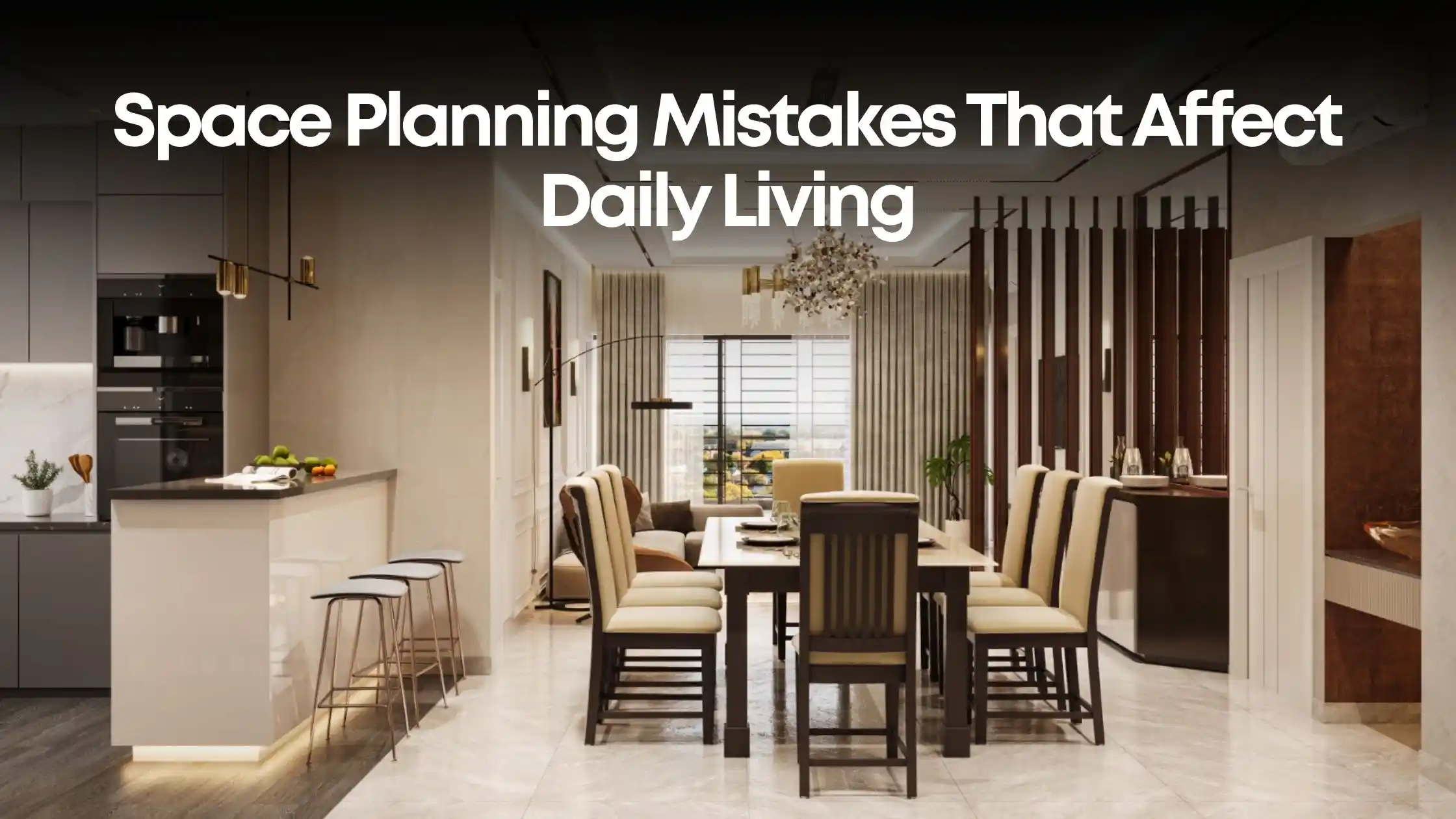
Space Planning Mistakes That Can Make Everyday Living Difficult
Have you ever walked through your home and felt that something just wasn’t working? The colours look great, the furniture is stylish, and everything seems to be in place. Yet, the space feels uncomfortable or inconvenient.
In many cases, the problem isn’t the décor—it’s the layout. Poor planning affects how you move, store your belongings, and use each room every day. A beautiful home should not only look good but also make daily life easier.
If you’re building a new home or renovating an existing one, avoiding these common planning mistakes can save you from years of frustration.
Why Space Planning Matters
Most homeowners spend a lot of time choosing furniture, wall colours, flooring, and décor. But these decisions only work well when the layout has been planned properly.
Good space planning creates a home that feels comfortable, organised, and easy to move through. Every room has a purpose, furniture fits naturally, and storage is available where it’s needed most.
A poor layout, on the other hand, makes even an expensive home feel cramped and inconvenient.
1. Buying Furniture Before Planning the Layout
One of the biggest planning mistakes is purchasing furniture before deciding how the room will be arranged.
A sofa may look perfect in a showroom but overwhelm your living room once it’s delivered. A dining table might block walkways, or a wardrobe may prevent doors from opening fully.
How to avoid it planning mistakes
- Measure every room before shopping.
- Create a furniture layout first.
- Leave at least 90 cm of walking space between major furniture pieces.
- Consider doors, windows, and electrical points before making purchases.
Planning first helps you choose furniture that fits both your room and your lifestyle.
2. Filling Every Corner with Furniture
Many homeowners assume that empty floor space means the room is unfinished. In reality, too much furniture is one of the quickest ways to make a home feel smaller.
When every wall is lined with cabinets, chairs, or tables, movement becomes difficult and the room loses its openness.
A better approach
Choose only the furniture you truly need. Leave breathing room around each piece so people can walk comfortably.
Open space isn’t wasted space. It’s what makes a room feel larger and more inviting.
3. Thinking About Storage Too Late
Storage is often treated as an afterthought, and that’s one of the most common planning mistakes homeowners make.
Once construction is complete, there are fewer opportunities to add practical storage without making it look awkward.
The result?
- Shoes near the entrance
- Bags on dining chairs
- Kitchen counters filled with appliances
- Bedrooms cluttered with extra furniture
Plan storage from the beginning
Built-in wardrobes, kitchen cabinets, under-bed storage, and custom shelving should all be included during the design stage.
When storage is integrated into the layout, the home stays organised without sacrificing style.
4. Ignoring How People Move Through the Home
Every family follows a routine.
You wake up, head to the bathroom, prepare breakfast, work, relax, cook dinner, and move between rooms throughout the day.
A layout should support these daily habits.
For example:
- The kitchen should connect conveniently to the dining area.
- Frequently used rooms should be easy to access.
- Bedrooms should be located away from noisy gathering spaces whenever possible.
Before finalising your floor plan, imagine a typical day inside your home. If everyday tasks require unnecessary walking or awkward movement, the layout probably needs improvement.
5. Poor Lighting Planning
Lighting isn’t just about choosing attractive fixtures. It should be planned before construction begins.
Many homes rely on a single ceiling light in each room, creating harsh shadows and uneven illumination.
Instead, every room should have multiple lighting layers.
Include three types of lighting
- Ambient lighting for overall brightness
- Task lighting for activities like cooking, reading, or working
- Accent lighting to highlight artwork, shelves, or architectural features
Planning lighting early also ensures switches, wiring, and power points are exactly where you need them.
6. Open Spaces Without Clear Zones
Open-plan homes are popular because they feel spacious. However, without proper zoning, one large room can quickly become confusing.
The living room blends into the dining area, which merges into the kitchen, leaving no space with a clear identity.
Define areas without adding walls
Simple design elements can separate spaces naturally:
- Use rugs to define seating areas.
- Hang pendant lights above the dining table.
- Position sofas to create visual boundaries.
- Use kitchen islands or breakfast counters as natural dividers.
Well-defined zones make an open layout feel organised while preserving its spaciousness.
7. Choosing Style Over Everyday Comfort
Beautiful interiors often attract attention online, but what works in photographs doesn’t always work in real life.
Open shelves may look elegant but require constant organisation.
Oversized furniture might appear luxurious but reduce usable space.
Glass tables can be stylish but impractical for families with young children.
Before making any design decision, ask yourself:
- Will this make daily life easier?
- Is it comfortable?
- Will it still work five years from now?
A home designed around everyday living always feels more satisfying than one designed only for appearances.
Plan Before You Build
Most planning mistakes happen because important decisions are delayed until construction has already begun.
The best homes are planned in the right order:
- Layout and circulation
- Storage solutions
- Furniture placement
- Lighting plan
- Materials and finishes
- Décor and accessories
Following this sequence helps avoid costly changes later while creating a home that functions beautifully.
Final Thoughts
Great homes aren’t defined by expensive furniture or luxurious finishes. They’re defined by thoughtful planning.
When rooms are arranged properly, storage is built into the design, lighting is carefully positioned, and movement feels natural, everyday life becomes easier and more enjoyable.
At LH Interiors, we believe successful interiors begin long before furniture arrives. Careful planning helps homeowners avoid expensive mistakes while creating spaces that are practical, comfortable, and timeless.
If you’re designing a new home or renovating an existing one, starting with the right plan will make every design decision easier.
A well-planned home doesn’t just look beautiful—it supports the way you live every single day.