
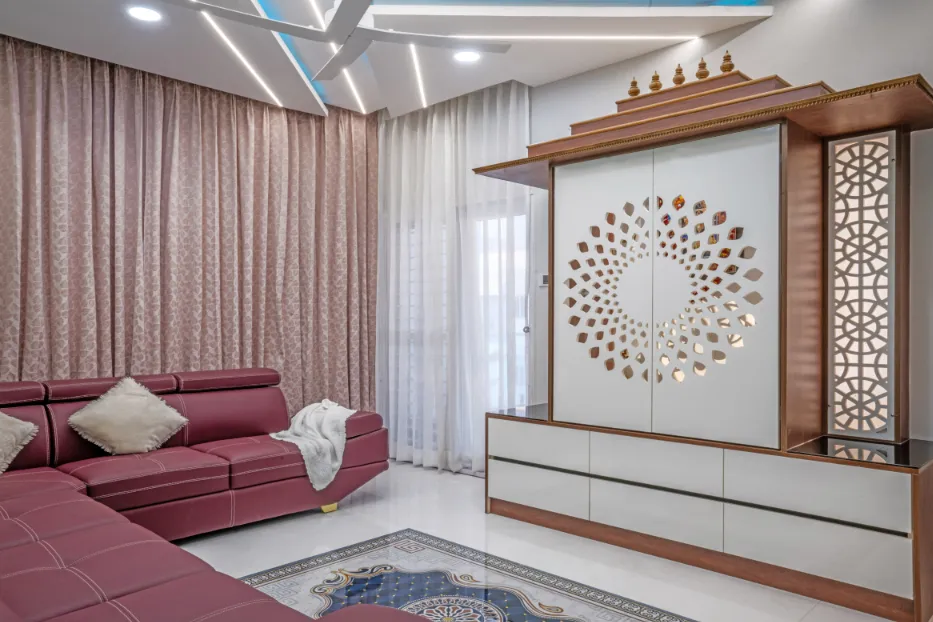
Your walls do much more than support your home’s structure—they shape the personality of every room. A thoughtfully planned wall interior can make a compact space feel larger, create a striking focal point, and tie together your overall décor. Whether you’re refreshing a single room or planning a complete home makeover, giving your walls the attention they deserve can completely change the atmosphere of your home.
The good news is that creating beautiful walls doesn’t always require a major renovation. With the right design choices, colors, lighting, and decorative elements, you can achieve a sophisticated look that reflects your personal style.
Why Wall Interior Design Matters
Walls occupy the largest visual area in any room. Their color, texture, and decoration influence how spacious, bright, or cozy a room feels. A well-designed wall interior creates balance while complementing your furniture, flooring, and lighting.
Before making any decisions, consider the purpose of the room, the amount of natural light it receives, and the mood you want to create. These factors will help you choose designs that remain attractive for years instead of following short-lived trends.
1. Choose a Feature Wall That Draws Attention
Every room benefits from a focal point, and one of the easiest ways to create it is through a feature wall. Instead of decorating every wall equally, highlight one section using a different material, texture, or color.
Popular feature wall ideas include:
- Wooden wall panels
- Natural stone cladding
- Decorative wallpaper
- Textured paint finishes
- Fluted panels
- Large artwork
A feature wall works especially well behind a sofa, bed, dining table, or television unit. It creates visual interest without overwhelming the room.
2. Use the Right Colors to Create the Desired Mood
Color plays a major role in successful wall interior design. The right shade can make a room feel bright and spacious, while darker tones create warmth and sophistication.
Here are a few simple guidelines:
- White and cream make small rooms feel larger.
- Soft beige and greige create a warm, timeless look.
- Light grey offers a modern and elegant appearance.
- Earthy greens bring a calming natural feel.
- Deep navy or charcoal works well as an accent wall.
Before painting an entire room, test a few color samples under both natural and artificial lighting to see how they appear throughout the day.
3. Add Texture for a Premium Finish
Flat painted walls sometimes lack character. Introducing texture adds depth and gives your interiors a more refined appearance.
Some excellent ways to create texture include:
- Decorative wall mouldings
- Wooden slat panels
- Brick-effect finishes
- Venetian plaster
- Concrete textures
- Fabric wall panels
Mixing smooth and textured surfaces creates a balanced design that feels sophisticated without being overly decorative.
4. Highlight Your Walls with Layered Lighting
Lighting can completely change how your wall interior looks. Even a simple painted wall becomes more attractive when illuminated correctly.
Consider combining different lighting options such as:
- Wall sconces for ambient lighting
- Picture lights to showcase artwork
- LED strip lighting behind panels
- Recessed ceiling lights that wash light across textured walls
Warm lighting creates a cozy atmosphere, while cooler lighting suits modern and contemporary interiors.
5. Personalize Your Walls with Meaningful Décor
The best interiors always feel personal. Instead of filling walls with random decorations, choose pieces that tell your story.
You can decorate your walls with:
- Framed family photographs
- Canvas artwork
- Decorative mirrors
- Floating shelves
- Sculptural wall art
- Handmade crafts
- Indoor planters
Keep enough empty space around decorative items so they remain the focal point rather than making the room feel crowded.
Common Mistakes to Avoid in Wall Interior Design
Even beautiful décor can lose its impact if basic design principles are overlooked. Avoid these common mistakes when planning your wall interior:
- Using too many colors in one room
- Hanging artwork too high on the wall
- Overcrowding walls with decorations
- Ignoring lighting placement
- Choosing textures that don’t match the overall style
- Following trends without considering long-term appeal
A simple, balanced design often looks more elegant than one filled with excessive decorative elements.
Tips for Different Rooms
Every room has different requirements, so your wall design should reflect its function.
For the living room, create a statement wall behind the television or sofa using textured panels or artwork.
In the bedroom, soft colors and upholstered wall panels can create a relaxing atmosphere.
Dining rooms look sophisticated with decorative mouldings, mirrors, or subtle wallpaper.
Home offices benefit from clean wall designs with floating shelves and minimal artwork that encourages focus.
Final Thoughts
A carefully planned wall interior has the power to completely change the look and feel of your home. By choosing the right colors, introducing texture, using thoughtful lighting, and adding meaningful decorative elements, you can create walls that are both stylish and functional.
You don’t need expensive materials or complicated designs to make a lasting impression. Focus on balance, quality, and timeless design choices, and your walls will continue to enhance your home’s beauty for years to come.