
Introduction
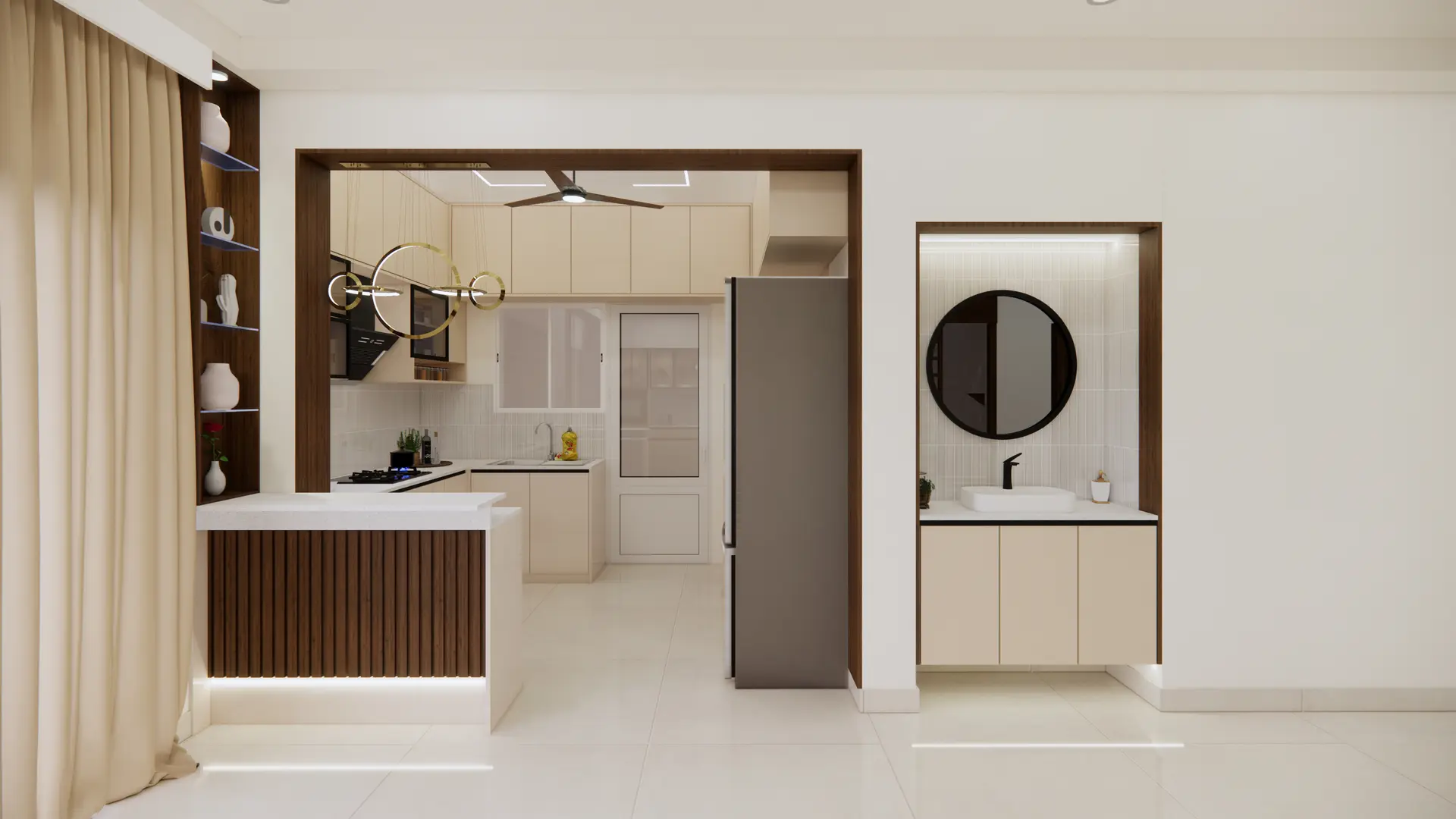
A beautifully designed home interior does more than make a house look attractive. It creates a comfortable environment, improves functionality, and reflects your personality. Every design decision, from choosing colors to arranging furniture, contributes to making your home more welcoming and enjoyable.
Many homeowners focus heavily on the exterior of their property while overlooking the importance of interior spaces. However, it is the interiors that you and your family experience every day. With thoughtful planning and the right design choices, you can create a home that is both visually appealing and practical.
Here are five effective ways to design a home interior that combines beauty, comfort, and everyday functionality.
1. Start with a Clear Design Plan
Before selecting furniture or decorative items, take time to plan your interior design. A well-defined vision helps ensure that every room feels connected and balanced.
Think about your lifestyle, daily routine, and the purpose of each room. Decide whether you prefer a modern, contemporary, traditional, minimalist, or luxury interior style.
A good design plan should include:
- Your preferred color palette
- Furniture requirements
- Storage needs
- Lighting preferences
- Budget for the project
Planning in advance helps avoid unnecessary expenses and creates a more cohesive home interior.
2. Choose Furniture That Matches Your Style and Space
Furniture is one of the most important elements of any home interior. It should not only look beautiful but also provide comfort and support your daily activities.
Select furniture that suits the size of each room. Oversized furniture can make smaller spaces feel cramped, while furniture that is too small may leave larger rooms looking empty.
When selecting furniture, consider:
- Comfort and durability
- High-quality materials
- Timeless designs
- Proper scale and proportion
- Functional storage options
Matching furniture styles throughout the home creates a harmonious and well-designed appearance.
3. Create a Balanced Color Scheme
Colors have a significant influence on the mood and appearance of your home. Choosing a balanced color palette helps create consistency throughout the interiors.
Neutral shades such as white, beige, gray, and soft earthy tones provide a timeless foundation. You can then introduce color through artwork, cushions, rugs, curtains, or decorative accessories.
Different rooms may benefit from different color approaches:
- Soft tones for bedrooms to encourage relaxation
- Warm colors for living areas to create a welcoming atmosphere
- Bright shades for kitchens to make the space feel fresh and energetic
The goal is to create a pleasant flow between rooms without making the home feel repetitive.
4. Work with an Experienced Interior Designer
While many homeowners enjoy decorating on their own, working with a professional interior designer can help bring your ideas to life more effectively.
An experienced designer understands space planning, lighting, furniture placement, materials, and color coordination. They can also suggest practical solutions that you may not have considered.
Before hiring an interior designer, review:
- Previous projects
- Client testimonials
- Design style
- Experience in residential interiors
- Ability to work within your budget
Choosing the right professional can save time, reduce costly mistakes, and help you achieve a polished final result.
5. Focus on Layout and Functionality
A beautiful home should also be easy to live in. Good interior design ensures that every room is functional, comfortable, and easy to navigate.
Arrange furniture to allow smooth movement throughout the space. Avoid overcrowding rooms with unnecessary pieces, and make sure storage solutions are integrated into the design.
Consider practical features such as:
- Built-in storage cabinets
- Multi-functional furniture
- Comfortable seating arrangements
- Proper ventilation
- Easy access to natural light
A functional layout makes everyday living more enjoyable while maintaining a clean and organized appearance.
Pay Attention to Lighting
Lighting has the power to completely change the atmosphere of a room. A combination of natural and artificial lighting creates a balanced and inviting environment.
Layer your lighting by including:
- Ambient lighting for general illumination
- Task lighting for work and reading
- Accent lighting to highlight artwork or architectural details
Large windows, skylights, and reflective surfaces can also maximize natural light and make rooms appear more spacious.
Add Personal Touches
Your home should reflect your personality rather than simply following design trends. Decorative accessories, family photographs, artwork, travel souvenirs, and meaningful collections make your interiors feel unique.
Personal touches create warmth and help turn a beautifully designed house into a comfortable home.
Invest in Quality Materials
Quality materials not only improve the appearance of your interiors but also increase their durability. Flooring, countertops, cabinetry, upholstery, and wall finishes should be selected with long-term use in mind.
Although premium materials may require a higher initial investment, they often provide better performance and require less maintenance over time.
Conclusion
Designing a beautiful home interior begins with thoughtful planning and smart design choices. By creating a clear vision, selecting suitable furniture, choosing harmonious colors, working with experienced professionals, and focusing on functionality, you can create interiors that are both elegant and practical.
The best home interiors are those that combine comfort, style, and everyday convenience. With careful attention to detail and a design that reflects your lifestyle, your home can become a welcoming space that you and your family enjoy for many years.