
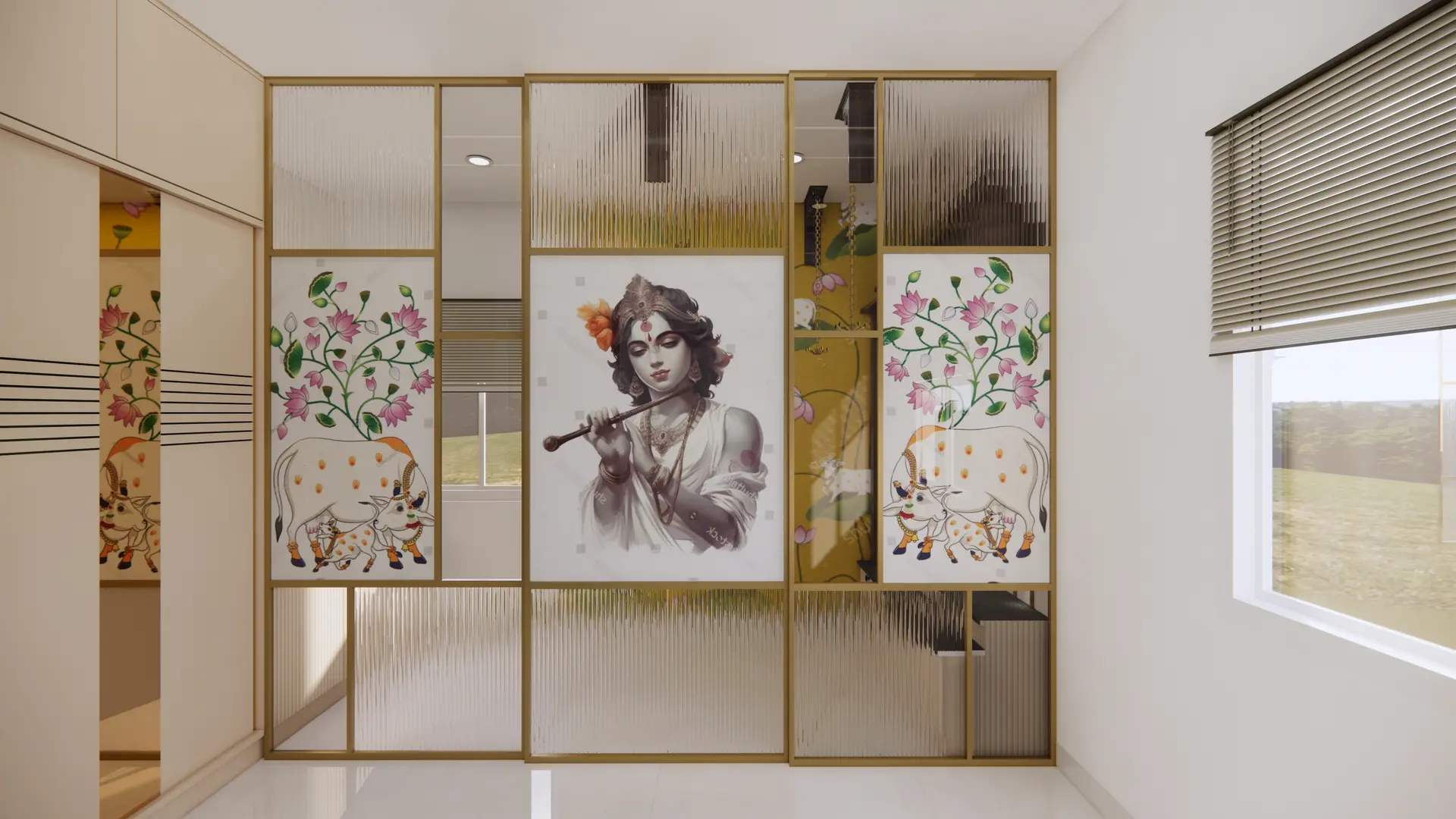
Introduction
A beautifully designed home is not just about expensive furniture or trendy decorations. It is about creating a space that feels comfortable, reflects your personality, and supports your lifestyle. Thoughtful interior design can completely change the way a home looks and feels by improving its functionality, atmosphere, and visual appeal.
Whether you are planning a complete home makeover or simply refreshing a single room, the right design choices can make a noticeable difference. From selecting the perfect colors to adding meaningful décor elements, small improvements can create a stylish and welcoming environment.
Here are ten inspiring interior design ideas to help you create a home that feels elegant, balanced, and uniquely yours.
1. Embrace Minimalist Design
Minimalism focuses on simplicity, functionality, and a clutter-free environment. It is one of the most popular approaches in modern interior design because it creates a sense of openness and calm.
To achieve a minimalist look:
- Choose furniture with clean lines
- Keep surfaces organized
- Use a simple color palette
- Select only décor pieces that add value
A minimalist home does not mean an empty space. Instead, it focuses on creating a balanced environment where every element has a purpose.
2. Bring Natural Elements Indoors
Nature-inspired interiors create a warm and relaxing atmosphere.
Adding natural elements such as indoor plants, wooden furniture, stone finishes, and natural fabrics can make your home feel more connected to the outdoors.
You can also maximize natural light by using larger windows, lighter curtains, and reflective surfaces. Sunlight not only enhances the beauty of your interiors but also makes rooms feel brighter and more spacious.
3. Experiment with Colors
Colors have a powerful influence on the mood of a space. The right color combination can make a room feel peaceful, energetic, luxurious, or cozy.
For a calm environment, consider soft shades like:
- Beige
- White
- Light gray
- Pastel tones
For a more dramatic appearance, you can introduce deeper colors through accent walls, furniture, or decorative pieces.
The key is to choose colors that match your personality while maintaining harmony throughout your home.
4. Mix Different Patterns
Combining patterns can add personality and visual interest to your interiors.
Stripes, geometric designs, floral prints, and textured fabrics can work beautifully together when balanced properly. The trick is to maintain a connection between patterns through similar colors or design styles.
For example, a patterned rug can be paired with simple cushions and neutral furniture to create a stylish yet balanced look.
5. Create a Focal Point
Every room benefits from having a feature that immediately attracts attention.
A focal point can be:
- A statement artwork
- A designer sofa
- A fireplace
- A unique light fixture
- An accent wall
A well-planned focal point gives the room character and helps organize the overall design around a central element.
6. Add Texture for Depth
Texture is an important part of creating visually appealing interiors.
A room with different textures feels more layered and comfortable. You can introduce texture through:
- Soft rugs
- Velvet cushions
- Wooden finishes
- Woven fabrics
- Decorative wall panels
Combining different materials creates a richer appearance and prevents the space from feeling flat.
7. Personalize Your Space with Décor
Your home should tell your story.
Adding personal elements makes your interiors feel more meaningful and unique. Display family photographs, artwork, travel memories, books, or collections that represent your interests.
Personal décor choices create warmth and make your home feel less like a showroom and more like a place that belongs to you.
8. Use Lighting Creatively
Lighting is one of the most important elements of successful interior design.
A good lighting plan combines different sources to create the right mood and functionality.
Consider using:
- Ambient lighting for overall brightness
- Task lighting for specific activities
- Accent lighting to highlight décor features
Pendant lights, floor lamps, and wall fixtures can also act as decorative elements while improving the atmosphere of your home.
9. Invest in Quality Furniture
Furniture is one of the biggest investments in your home interiors, so choosing quality pieces is important.
Select furniture that offers both comfort and durability. Timeless designs often remain attractive for years and can adapt to changing décor styles.
Instead of filling your home with too many pieces, choose furniture that fits your space properly and adds value to your overall design.
10. Focus on Small Details
Small details often create the finishing touch in a well-designed home.
Elements such as:
- Stylish cabinet handles
- Decorative cushions
- Elegant curtains
- Unique accessories
- Beautiful table arrangements
can enhance the overall appearance of your interiors.
Thoughtful details show attention to design and help create a more polished and complete look.
Final Thoughts
Creating a stylish home does not require following every design trend. The best interior design approach is one that combines functionality, comfort, and your personal style.
By embracing minimalism, adding natural elements, choosing the right colors, improving lighting, and focusing on meaningful details, you can create a home that feels beautiful and inviting.
A well-designed interior is not just visually appealing—it creates a space where you and your family can feel comfortable, relaxed, and truly at home.